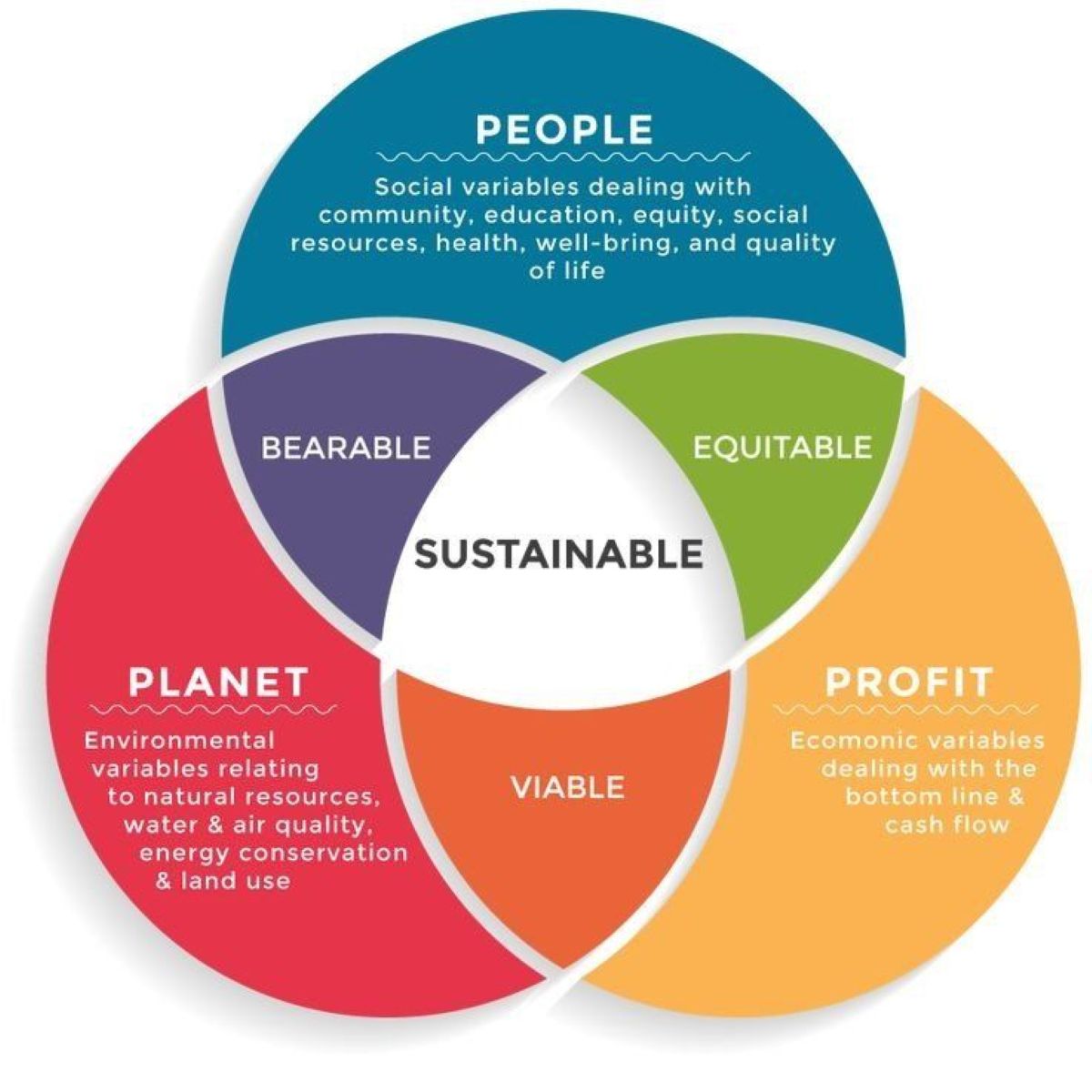
What is sustainability?
Sustainability is the responsible use of resources to meet our current needs without compromising the ability of future generations to meet their own. This requires balancing environmental protection, social well-being, human and wildlife health, and economic stability. Everything that we need for our survival and well-being depends, directly or indirectly, on our natural environment.
Pursuing sustainability means fostering conditions where people and nature can thrive together in balance, ensuring the happiness of both current and future generations. In other words, humans must take responsibility for changing the direction our planet is headed because we are the cause of global warming and climate change. Nature and humans need to COEXIST in a harmonious balance to preserve the future.
In the face of climate change, sustainable practices are critical because our choices today directly affect the health of the planet. By using resources wisely, reducing waste, and protecting ecosystems, sustainability helps slow global warming, preserve biodiversity, and protect clean air, clean water, and food supplies. It is not just an environmental responsibility—it is a commitment to ensure a livable, thriving world for all, and not just the lucky few.
Letter to Someone Living Fifty Years From Now
by Michael Olzmann


Most likely, you think we hated the elephant,
the golden toad, the thylacine and all variations
of whale harpooned or hacked into extinction.

It must seem like we sought to leave you nothing
but benzene, mercury, the stomachs
of seagulls rippled with jet fuel and plastic.

You probably doubt that we were capable of joy,
but I assure you we were.

We still had the night sky back then,
and like our ancestors, we admired
its illuminated doodles
of scorpion outlines and upside-down ladles.

Absolutely, there were some forests left!
Absolutely, we still had some lakes!

I’m saying, it wasn’t all lead paint and sulfur dioxide.
There were bees back then, and they pollinated
a euphoria of flowers so we might
contemplate the great mysteries and finally ask,
“Hey guys, what’s transcendence?”

And then all the bees were dead.


Copyright © 2017 by Matthew Olzmann. Originally published in Poem-a-Day on April 14, 2017, by the Academy of American Poets.
In my search on the topic of sustainability, I learned that true sustainability is an ideal. It can be applied to many areas of life, and a few of these are outlined below. Sustainability as a broad term remains the same, the use of natural resources wisely to meet our current needs and the needs of future generations. This is why incorporating sustainable practices is so important.
Environmental Sustainability
Environmental sustainability means taking care of the earth’s resources—like clean air, water, soil, and animals—so that people today can live well without hurting the ability of future generations to do the same. Environmental sustainability is especially important now because climate change and global warming, caused by things like burning fossil fuels, are creating big problems such as extreme weather, rising seas, loss of wildlife and marine life, and negative effects on human health. By living more sustainably, we can slow climate change and help keep the planet healthy for the future. We do this by using renewable energy, reducing waste, minimizing pollution, reducing the impact of human activities, and protecting nature.
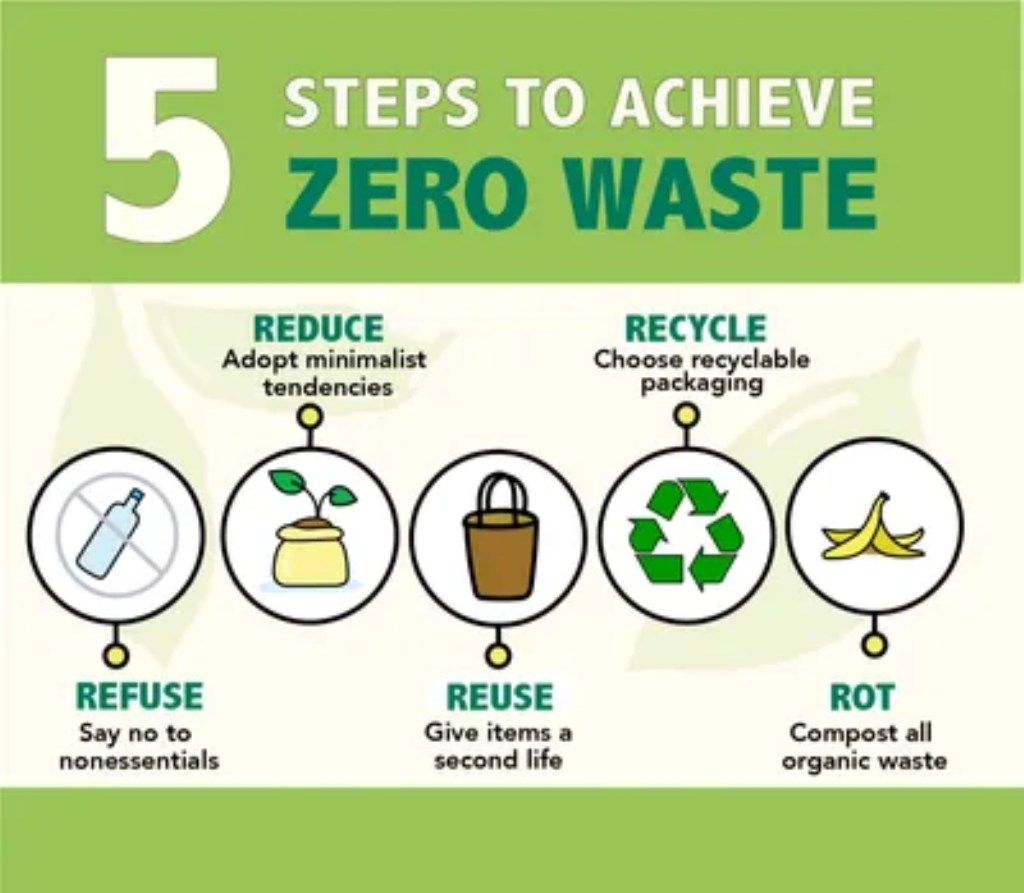
Economic Sustainability
Economic sustainability means supporting long-term growth and development in ways that use resources wisely, promote ethical business practices, and avoid harm to people or the planet. It is important in today’s climate crisis because countries that rely heavily on fossil fuels or return to fossil fuel production (like the U.S.), overproduction, and waste contribute to global warming and environmental damage.
Focusing on sustainability by investing in renewable energy, green jobs, and fair trade, societies can reduce climate impacts, protect natural resources, and build stronger, more resilient economies for the future.
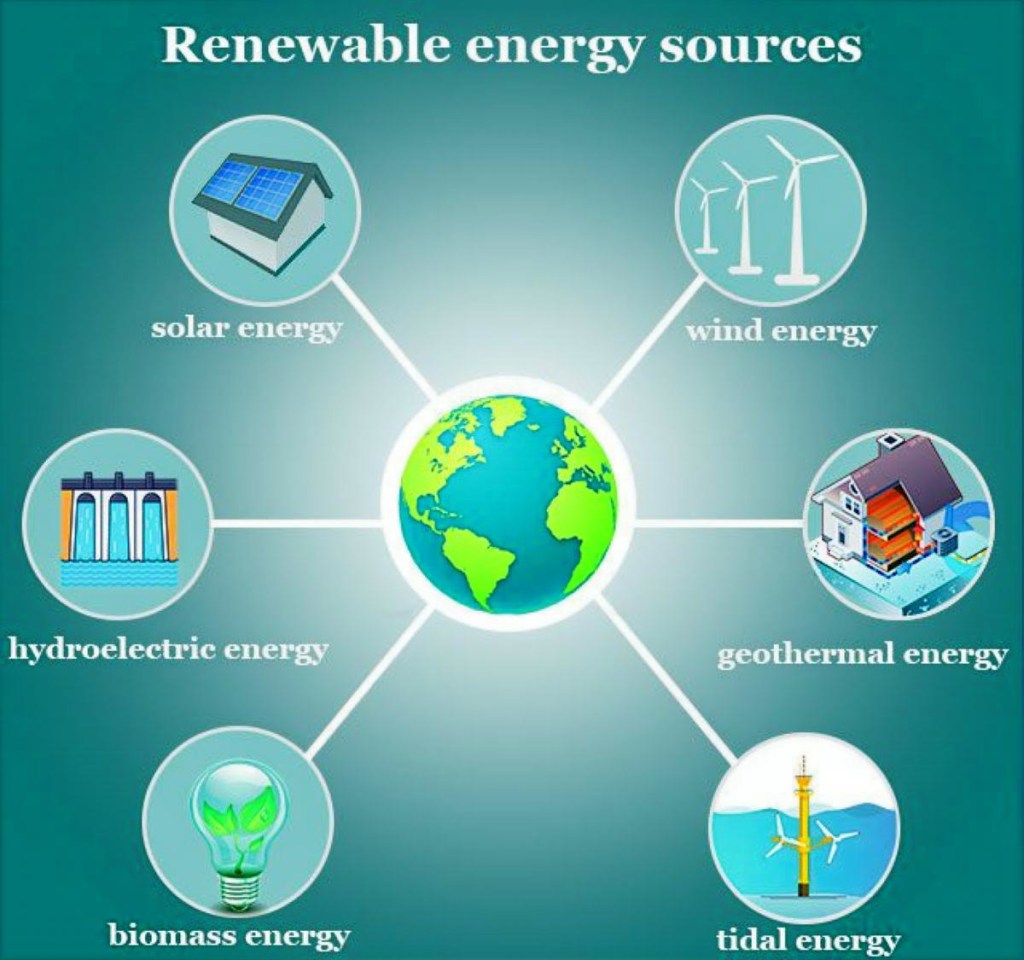
Social Sustainability
Social sustainability means creating communities that are fair, healthy, and supportive so everyone has access to basic needs like clean air, safe housing, healthy food, education, and opportunities. The effects of global warming hurt vulnerable populations the most. Extreme weather, food shortages, and health risks are just a few calamities impacted indirectly by climate change. By focusing on social sustainability, societies can protect people’s well-being, reduce inequality, and make sure that all communities are strong and resilient in the face of climate change.
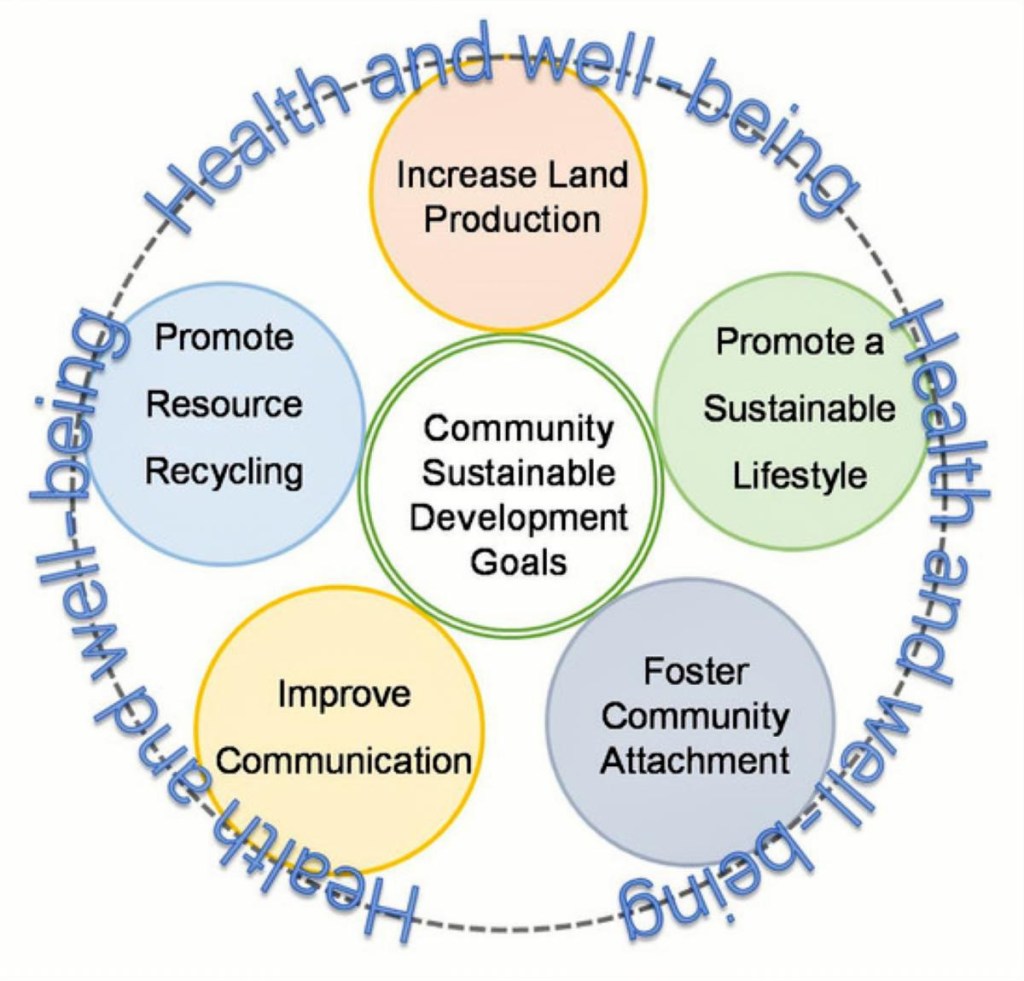
Natural Resource Management & Environmental Protection
Sustainability in resource management means using natural resources—like water, soil, forests, and energy—in a careful and balanced way so they do not run out or become too damaged for future generations to use. It is important because overusing and wasting resources adds to problems like deforestation, pollution, degrading biodiversity, and rising greenhouse gas emissions. By managing resources wisely and sustainably, we can reduce the negative impacts of global warming, keep our ecosystems healthy, and ensure natural resources are available for future generations.
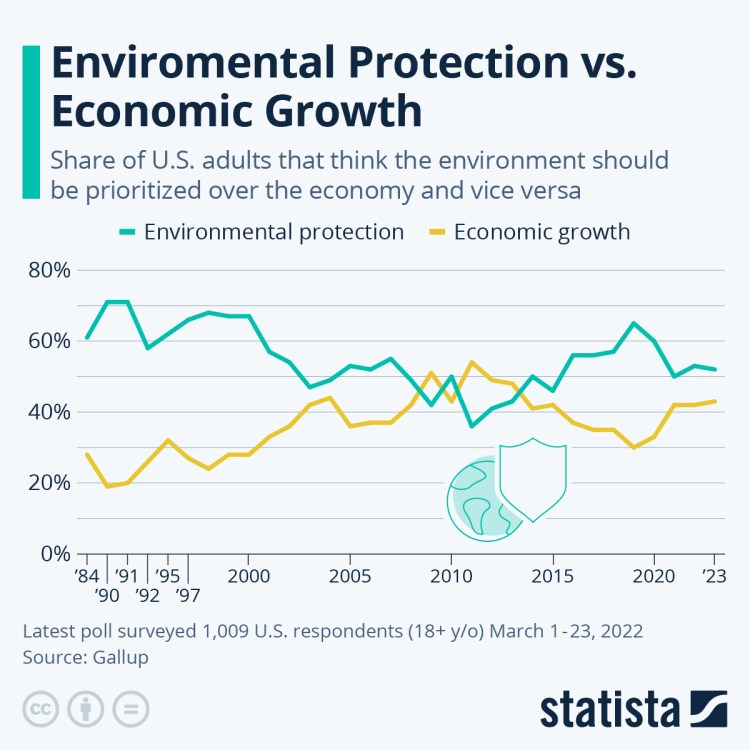
The graph shows the moral dilemma the U.S. feels between environmental protection and economic growth since the 1980s. Environmental protection was considered the most pressing matter until 2008. What happened in 2008? The financial crisis! Seeing the graph is disheartening. Just when governmental policy is shifting toward greener technologies and sustainability, we are thrust backward in time to increased fossil fuel production!🤷♀️🤷♂️🤦♀️🤦♂️🤔😶 Protecting the environment and growing the economy can be achieved simultaneously.
What sustainability means to me…
My personal view of sustainability is using our natural resources wisely to meet our current needs while preserving the future health of our planet for future generations of animal and human life. This means changing to greener technologies, building strong communities, taking care of vulnerable populations, and incorporating sustainability practices in our daily lives.
Sources:
United States Environmental Protection Agency: Learn about Sustainability
Statista: US Survey on Environmental Protections and Economic Growth
Just Energy: Understanding Global Warming and Its Empact
United Nations: Sustainable Development Goals
🌠🌠🌠🌠🌠🌠🌠🌠🌠🌠🌠🌠🌠🌠🌠🌠🌠🌠🌠🌠🌠🌠🌠🌠🌠🌠🌠🌠🌠🌠🌠
Discover more from urban HANDmades
Subscribe to get the latest posts sent to your email.
 urban HANDmades