What is Fast Fashion?
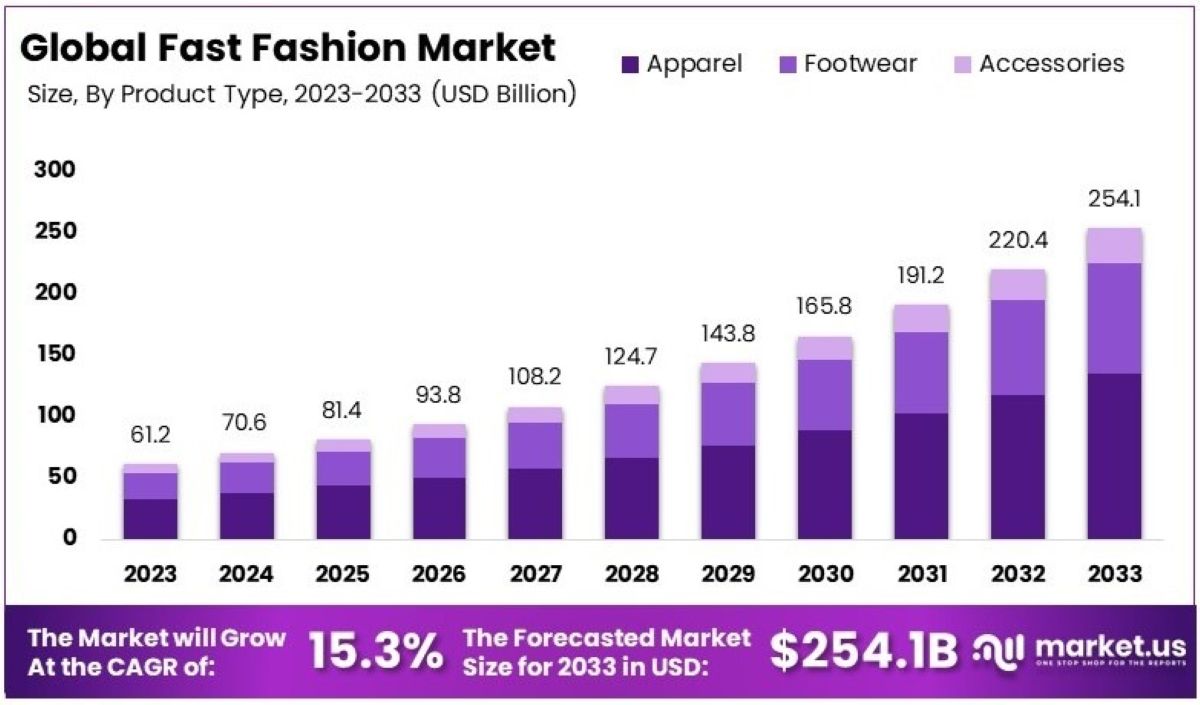
Simply put, Fast Fashion is a business model where clothing companies produce enormous volumes of trendy, inexpensive clothing to flood the consumer market, whether or not the demand is present. Before fast fashion evolved, clothing companies released seasonal collections, for example, winter, spring, summer, and fall. Fast fashion brands introduce new styles on a weekly or even daily basis, encouraging frequent purchases and disposing of ‘outdated’ clothing, creating a cycle of buying and disposing of unwanted clothing that ends up in landfills.
The key components of fast fashion are cheap labor, child labor, cheap retail cost to the consumer, fast production, and the use of synthetic fibers (vs. natural/biodegradable fibers) at the expense of quality and environmental pollution.
The world produces 92 million tons of textile waste per year. Old clothes make up most of this trash, but it also includes other textiles such as towels, curtains, tablecloths, and carpets. Billions of new clothing items are designed, created, and sold annually.
Much of the textile waste is from consumers and households getting rid of old clothes. Businesses also throw away all sorts of textiles – from stores with clothes they can’t sell to hotels getting rid of old towels and bedding. Some of this is recycled, but only 12% of textiles are recycled globally. That means 88% or 81 million tons of used clothing and other textiles are thrown into landfills, releasing greenhouse gases that contribute to climate warming.
“The fashion industry produces 10% of all humanity’s carbon emissions, is the second-largest consumer
Business insider
of the world’s water supply, and pollutes the oceans with microplastics,”
Sources:
Four Key Traits of Fast Fashion Brands
1. Extremely low prices: Fast fashion labels are known for slashing prices drastically. Some even give away products for free just to clear stock. Even at full price, items are often far cheaper than what would be considered fair market value—for instance, experts estimate a fairly priced T-shirt should cost around $30.
2. Manufactured urgency: These brands rely heavily on creating pressure to buy. Their marketing tactics often include buzzwords like “must-have” or “don’t miss out” to push impulse purchases and make consumers feel like they need to act fast. Fast fashion promotes a ‘throw-away’ culture, leading to massive textile landfills, waste, and environmental pollution.
3. Constant trend turnover: Fast fashion companies release new designs at a breakneck pace—sometimes daily. Their ability to replicate popular styles or viral looks and get them to market within days or weeks is a clear indicator of their business model.
4. Poor quality materials and construction: Fast fashion clothing tends to look and feel cheap, which aligns with how it’s made. These items are often produced with synthetic fabrics like polyester and skip important quality features like linings, sturdy fasteners, and functional pockets. Fit and consistency are usually lacking, with noticeable differences even between identical items on store racks.
Note: Fast fashion drives overconsumption and waste, making the fashion industry one of the most polluting industries in the world. It worsens climate change through greenhouse gas emissions, drains water resources, and pollutes land and waterways.
You Can Help Reduce Environmental Pollution and Fast Fashion Landfills By…
- Buy less, and read clothing labels to identify if the article of clothing is made of natural fibers (cotton, linen, silk, wool, hemp, ramie, etc). Fast fashion clothes are usually made with synthetic fibers (plastic) such as polyester, nylon, and acrylic that shed tiny plastic fibers when washed. These microplastics end up in rivers, oceans, and waterways, and enter food chains and harming marine life. Plus, wearing natural fibers is better for your skin!
- Secondhand & thrift shopping: Curtail your spending on fast fashion and purchase at thrift stores. By doing this, you are reducing the demand for new manufacturing of fast fashion clothing AND keeping garments out of landfills.
- Extend the life of old clothes by upcycling and repurposing them into new, useful items. For example, turn jeans into shorts, potholders, coasters, placemats, bags, Halloween costumes, or slippers. You will find how upcycling sparks your creativity!
- Buy from sustainable & ethical brands: support companies that use organic fabrics, natural dyes, recycled fibers, and transparent labor practices. Look for certifications like Global Organic Textile Standard or Fair Trade.
- Learn to care for your clothes by repairing, mending, and proper laundering. When you wash clothing made of natural fibers, there is no microplastic shedding into the water systems. Wash in cold water, air-dry, and repair instead of throwing into the garbage.
- Learn a new life skill…take up sewing and create slow fashion. Watch your creativity soar.
Don’t Forget To Subscribe! When you subscribe, you will only get notified twice a month…promise.
Download the FREE sustainability checklist and start your sustainability journey!
Discover more from urban HANDmades
Subscribe to get the latest posts sent to your email.
 urban HANDmades