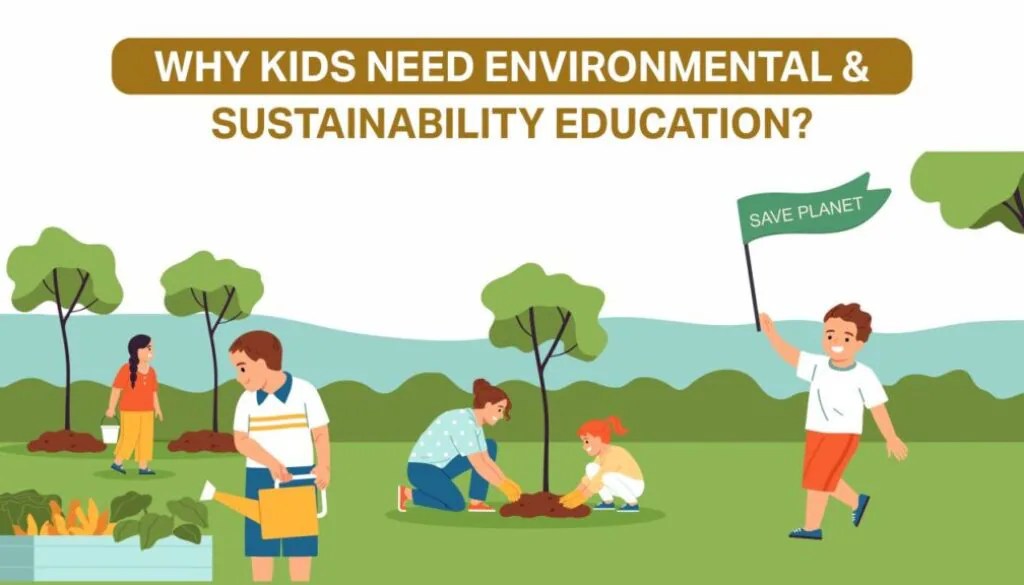
Teaching children about sustainability, caring for the Earth, and being environmentally conscious is one of the most important investments we can make for the future…for our planet and for their own well-being. Kids are the next generation of leaders, innovators, scientists, and decision-makers, and the attitudes and habits they develop early in life will shape the world they inherit and create. By helping them understand the interconnectedness of nature, human activity, and cultures, we give them the tools and knowledge to make choices that protect rather than harm the environment.
By learning to care for the Earth through conserving resources, protecting ecosystems, reducing waste, protecting wildlife, and supporting renewable resources, kids develop respect for nature and awareness of how their choices impact and shape the world. Introducing these habits early in children’s lives not only helps preserve the planet’s health for future generations but also inspires innovative thinking and responsible decision-making.
Environmental and sustainability education encourages critical thinking, problem-solving, creativity, and innovation. As the challenges of climate change, pollution, and resource scarcity become more urgent, today’s kids will need creative and critical thinking and collaborative skills to find sustainable solutions. Teaching them to care for the planet helps them not only respond to these challenges but also imagine a better world that benefits everyone.
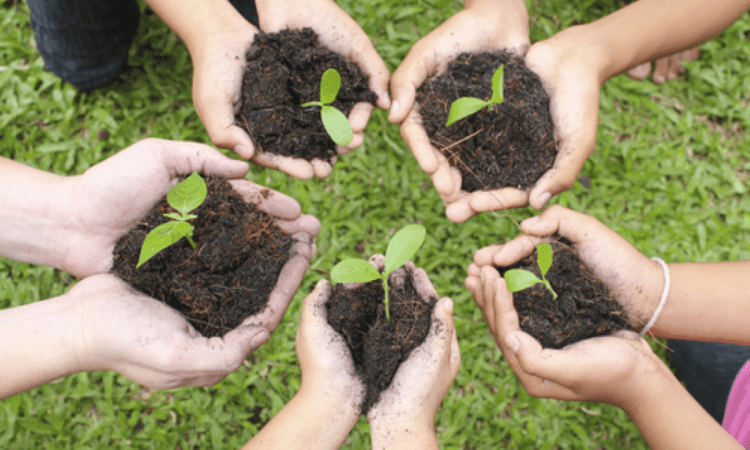
Kids are like sponges – they watch and learn, they absorb information fast, and find it easy to form long-lasting habits.
THEEDUTECHPOST.COM
3 Green School Programs Around The World You Should Know About
U.S. Green Ribbon Schools
U.S. Green Ribbon Schools (ED-GRS is a recognition program established in 2011 and is run by the U.S. Department of Education. The Green Ribbon Schools recognition is not a certification…it is a federal recognition award for schools that demonstrate strong sustainability practices in 3 core areas: reducing environmental impact, promoting health & wellness, and providing strong academic sustainability education. A school is eligible for the award only once, so the list changes every few years.
Green Ribbon Schools Are Schools recognized for excellence in 3 key areas:
1. Reducing Environmental Impact & Costs…schools work to:
- Lower energy use
- Reduce water consumption
- Improve waste management and recycling
- Move toward more sustainable buildings and operations
2. Promoting Health & Wellness…schools focus on:
- Clean indoor air
- Safe school environments
- Healthy food programs
- Physical fitness and mental health support
3. Providing Effective Environmental & Sustainability Education…schools promote:
- STEM programs with an environmental focus
- Hands-on outdoor learning
- Teaching about climate, ecology, and conservation
- Preparing students for green careers
U.S. Green Ribbon Elementary Schools
Take a look at the 2024 Green Ribbon honorees (schools, districts, etc.) on the U.S. Department of Education website. Is your school a Green Ribbon school?
Australia’s Waste Wise Program
Australia’s Waste Wise Program provides accreditation to primary schools that integrate sustainability education and practices. There are 491 accredited Waste Wise primary schools across Australia, and Coolbinia Primary School is one of them. Coolbinia has embedded sustainability practices throughout its culture and programs. The sustainability program provides students with the skills, knowledge and instills the values to live sustainable lives through various hands-on activities and projects.
Below are the main domains of Australia’s Waste Wise Program:
- Waste wise: Students learn and participate in worm farming, composting, and “Nude Food” lunches to reduce waste.
- Water wise: The school implements programs that involve checking for leaks and using rainwater tanks.
- Biodiversity: Initiatives include planting veggie gardens and trees.
- Energy smart: The school has installed solar panels and uses solar lanterns.
- Travel smart: Students are encouraged to use sustainable transportation through programs like “Fume Free Fridays” and “Walk Over October”.
India’s K.R. Mangalam World School
K.R. Mangalam World School is based in Delphi, India. 8 primary school locations incorporate environmental stewardship as a core focus. Environmental stewardship is defined as integrating ecological, social, and economic dimensions of sustainability into educational programs.
At K.R. Mangalam World School, Lucknow, the sustainability program is named ‘Terra Care’ and is incorporated throughout all programs. Under Terra Care, kids participate in live sustainability projects, zero-waste initiatives, and hands-on workshops. There are student-led clubs that run awareness campaigns, environmental drives, and sustainability projects within the school. Terra Care and its student-led clubs help kids understand what sustainability is and how to bring about positive change. According to the Terra Care program, it teaches lifelong values – environmental responsibility, social responsibility, and ethical values.
Sustainability For Kids – Activities, Worksheets, Books
Below are a few resources with worksheets, activities, and educational infographics to help you teach sustainability, zero-waste philosophy, and environmental stewardship to kids. You’ll find ideas and activities to help start students on a path of sustainable living and development.
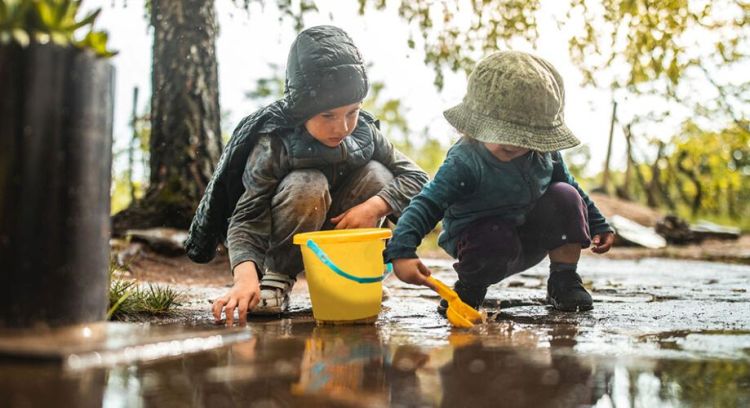
Sustainable living is important for good personal and environmental health. It is what will keep us and kids going. The time to learn and teach about it is NOW.
Don’t Forget To Subscribe! When you subscribe, you will only get notified twice a month.
Download the FREE sustainability checklist and start your sustainability journey!
Discover more from urban HANDmades
Subscribe to get the latest posts sent to your email.
 urban HANDmades