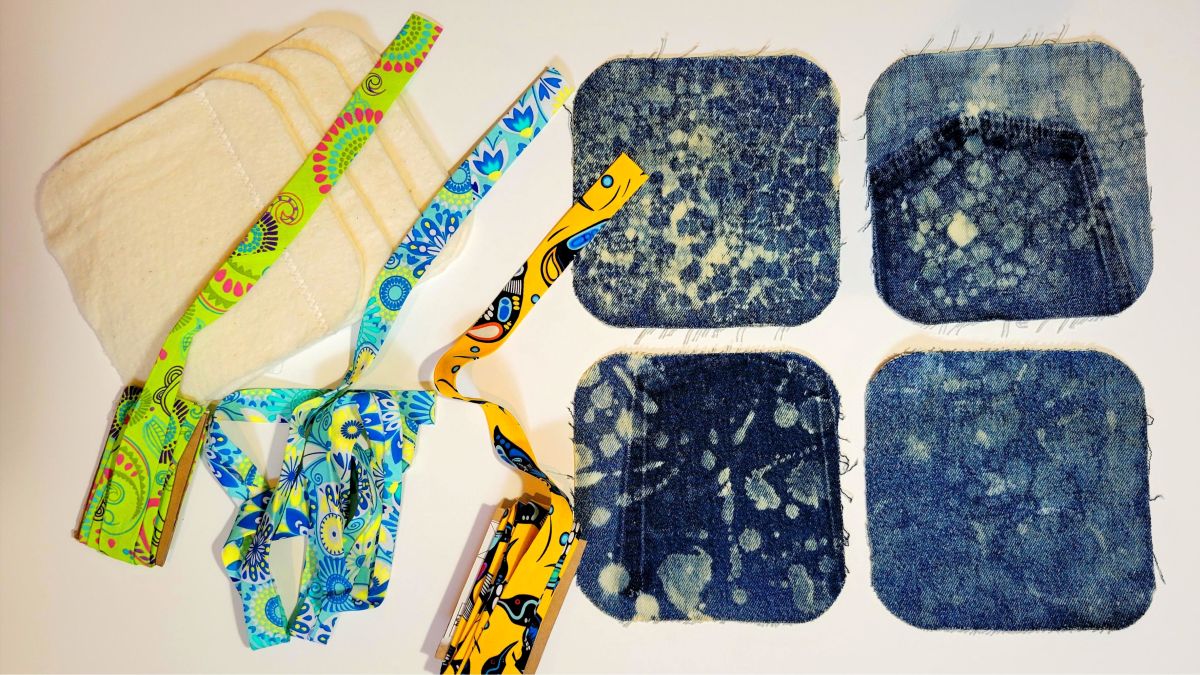
A vintage sewing machine search led to accepting old jeans, which were creatively repurposed into useful home items, promoting sustainability and a circular economy through upcycling textile waste.
Author Archives: Marti
Embrace the “Buyerarchy of Needs”, blog #7

The ‘Buyerarchy of Needs,’ coined by Sarah Lazarovic, emphasizes sustainable shopping alternatives to fast fashion. It promotes reducing consumerism, upcycling, and recycling to combat textile waste, which significantly contributes to environmental pollution. In 2018, the U.S. generated 17 million tons of textile waste, urging a shift in buying behaviors for planetary health.
9 Simple Habits for Sustainable Living, blog #6

Climate change affects everyone, prompting a shift towards environmentally sustainable habits. The author transitioned from disposable consumption to a circular economy, starting with recycling. We advocate for nine practices to promote sustainability, including using reusable bags and water bottles, buying used items, and reducing car use to lessen environmental impact.
Creative Upcycling: Sweater → Bolsa, blog #5

The basic tenets of a circular economy is discussed by highlighting the creative process of upcycling unwanted items, specifically through two projects: transforming a wool sweater into a tote bag and a faux suede shirt into a medieval pouch. Upcycling enhances creativity, reduces waste, and contributes to environmental sustainability.
Smart Shopping Tips to Avoid Fast Fashion, blog #4
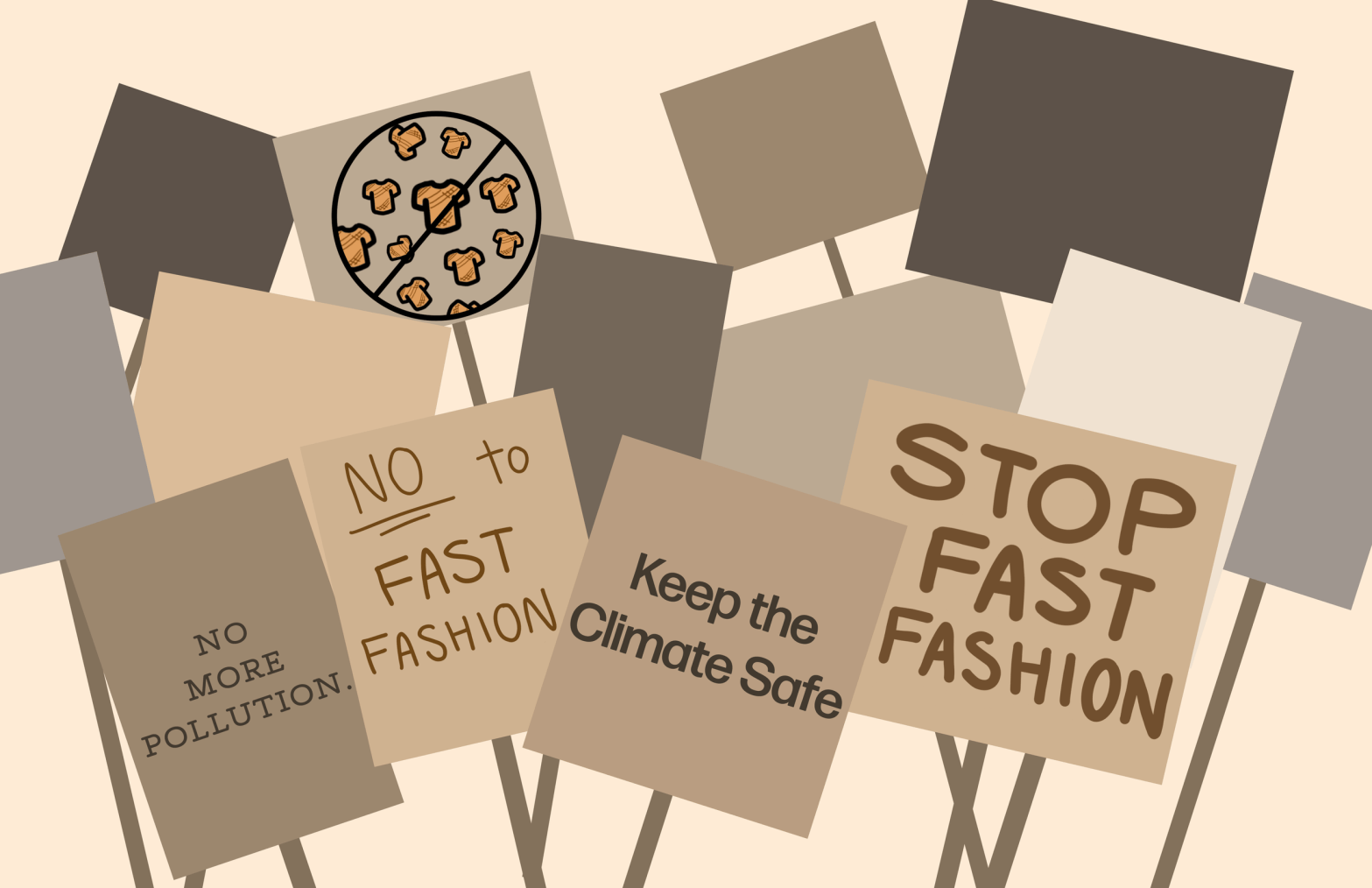
The global clothing retail industry generates approximately $1.34 trillion annually, rising to $2 trillion when footwear and jewelry are included. Fast fashion has transformed consumer behavior, leading to excessive purchases of low-quality clothing. Awareness of fast fashion brands and opting for second-hand, rental, or sustainable alternatives can mitigate environmental impacts.
Understanding Neighborhood Risks from Climate Change, blog #3

Headwaters Economics offers an interactive website, Neighborhoods at Risk, helping U.S. residents assess their communities’ vulnerability to wildfires, flooding, and extreme heat related to climate change. Users can explore demographic data and climate projections, revealing significant increases in temperature and flooding risk by 2050, specifically highlighting Florida’s projected challenges.
How to Combat Fast Fashion: Tips for a Sustainable Wardrobe, blog #2
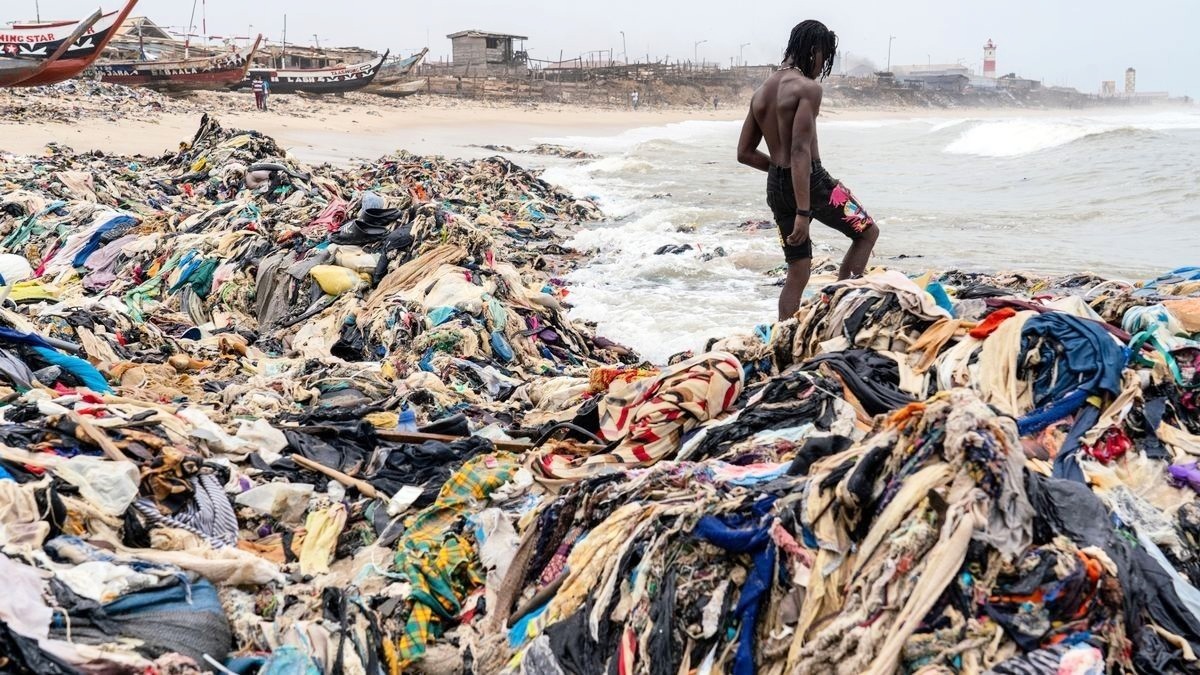
Fast Fashion rapidly produces inexpensive clothing to exploit current trends, relying on cheap labor and synthetic materials, which harms both health and the environment. A YouTube video reveals its impact. To combat its negative effects, consumers should reduce, repair, reuse, recycle, and invest in quality clothing for sustainability.
Turning Waste Into Action: CHaRMed Recycling, blog #1
This story is about Peggy Whitlow Ratcliff. She is the founder of Live Thrive. It was originally a pop-up hazardous waste collection event. The event grew into something much larger. From her initial need to dispose of harmful garden pesticides to the launch of the Center For Hard To Recycle Materials (CHaRMed), the nonprofit organizationContinue reading “Turning Waste Into Action: CHaRMed Recycling, blog #1”
 urban HANDmades