With the negative effects of climate change affecting every country and every individual, we need to be more conscious about how our behaviors and habits affect the environment and what we can do to become more environmentally friendly and sustainable in our day-to-day lives.
I was not always overly concerned about the environment because I grew up during a period when disposable consumption was not a trend. Rather, we valued the ideas of sustainability, upcycling, and non-wastefulness, repurposing, and reusing were themselves part of a value system.
But as climate change became more of a threat, I became more conscious about how my actions and behaviors were negatively impacting the environment, and that is when I changed my perspective from a disposable attitude to a sustainable, circular economy, and environmentally friendly ethos. The first thing I implemented into daily practice was recycling of plastics (all the plastics numbers) to my local recycling center. Eventually, this small start of caring for the planet led me to create and build my own circular economy focused on sustainability.
Jean Chatzky, author and host of hermoney.com wrote an article on 9 ways we can save money and save the planet at the same time.
Here are 9:
1. Use reusable shopping bags
- In the beginning, it is easy to forget to bring reusable shopping bags on your shopping excursions. But after a short time, it will become a habit and part of your shopping behavior. Store your reusable bags in your car so you will remember to use them. Some states in the U.S. charge a per-plastic-bag fee to promote the use of reusable bags, which can get costly, especially if you have a cartload of groceries or other needed supplies. This is a smart policy for safeguarding our planet and for remembering to bring reusable bags.
- As of 2024, twelve states in the United States have single-use plastic bag bans. These states are: California, Colorado, Connecticut, Delaware, Hawaii, Maine, New Jersey, New York, Oregon, Rhode Island, Vermont, and Washington. The report, “Plastic Bag Bans Work” in 3 states (New Jersey, Pennsylvania, Vermont) and 2 major cities (Portland, Oregon and Santa Barbara, California) reduced the number of single-use plastic bags by 6 billion. Enough to go around the planet 42 times!
- Here are examples of upcycled reusable shopping bags made from 40-pound dog food bags – click here.
2. Switch to reusable water bottles
- People who buy bottled water typically spend $266 per year. Plus, drinking from plastic bottles contributes significantly to your plastic footprint. By using a reusable water bottle, you are protecting oceans, waterways, marine life, animal life, human life, and the earth from plastic pollution and landfills. And you are also saving money.
- Using reusable water bottles is healthier for you and the environment. As plastic breaks down, chemicals (BPA and phthalates) can leak into the bottled water and into the environment when discarded (not recycled). Bisphenol A (BPA) is a known endocrine disruptor affecting brain development and hormone regulation in fetuses and children. Phthalate chemicals are used to make plastic more pliable, AND are endocrine disrupters too, and affect reproductive health and normal fetus development. Don’t take these risks with yourself, family, and friends…switch to reusable water bottles.
- Interested in finding what your plastic footprint is? Calculate yours here.
3. Buy used
Another smart way of promoting sustainability, and building your own circular economy is to buy used for household items, clothing, tools, cars, furniture, and many other necessary things. We don’t think twice about buying a ‘used’ home or ‘used’ car. Bring this mindset to purchasing other things you need to live.
4. Drive less, carpool, take public transportation
Driving a car has an enormous impact on the environment and on human health. Car exhaust fumes contribute to air pollution, climate change, and lead to respiratory and cardiovascular health problems. Pollutants in exhaust fumes include dangerous chemicals that can trigger shortness of breath, wheezing, and coughing. Carbon monoxide, nitrogen oxides, and particulate matter (pollutants in exhaust fumes) can exacerbate respiratory problems like asthma, bronchitis, and increase the risk of lung cancer.
The exhaust fumes from cars emit greenhouse gases like carbon dioxide, which trap heat in the atmosphere and contribute to global warming. This leads to rising temperatures, extreme weather events, and other climate-related issues.
If you live close to public transportation, get out and walk to your local train or bus stations – it’s good for your health and helps build stronger bones.
5. Switch from paper towels to Smart Towels
See the page on switching from paper towels to using cloth or Smart Towels.
6. Donate your unused items to give them another life
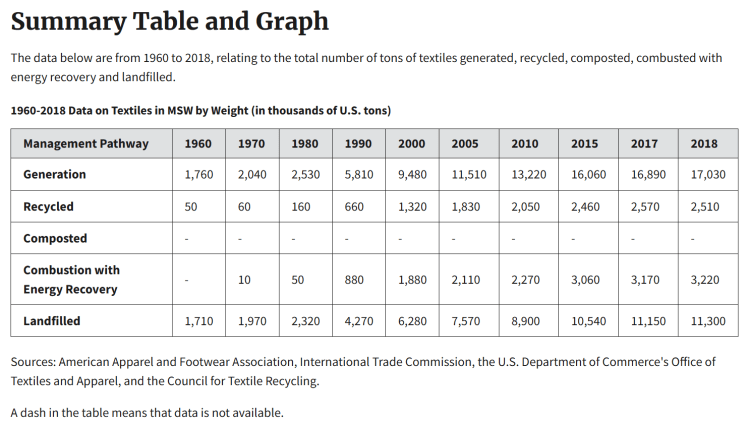
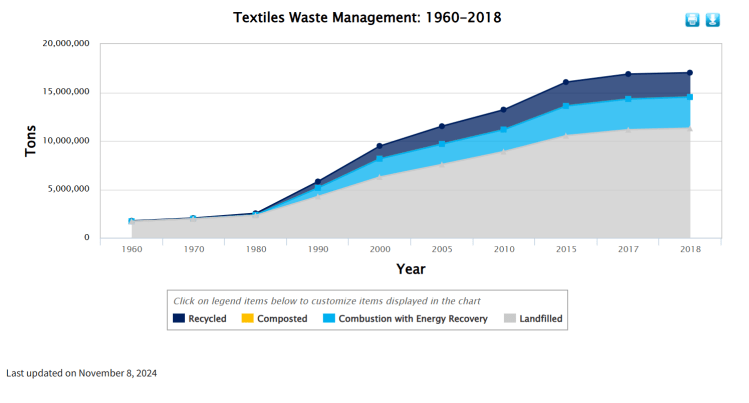
According to hermoney.com, Americans dispose of 292 million pounds of garbage each year! And according to the EPA, each person produces 4.9 pounds of garbage each day. So, for one person for one year, this translates to 1,789 pounds of trash/year! Multiply this by the number of people inhabiting the planet, and the amount of garbage humans produce is staggering. And all of this garbage goes into landfills.
So recycling, upcycling, and creating your own circular economy are so important for our planet.
7. Drive a hybrid or electric car
If you don’t already know, driving a hybrid or EV is much better for the environment than a gasoline-powered car. With less exhaust fumes polluting the air we breathe and negatively impacting our health, there are lower levels of greenhouse gases impacting climate change. Plus, you save money by buying less/or no gas.
8. Switch to solar electricity
I did not realize that one-third of the energy the United States uses is from coal. While the upfront costs of installing solar panels/tiles are high, the benefits of installing solar energy are long-term. If you have excess energy, you can sell this back to the electrical company, which will credit your account for the excess energy your solar panels generate. The other upside is
9. Use reusable storage bags to transport bulk foods from the store instead of Ziploc bags
I use to love Ziplocs! They were my go-to for storing food items purchased in bulk, storing cut veggies and fruits, and just about everything and anything. Do you know how long it takes for plastic to degrade? Up to 500 years! Click here to see how many years it takes for other plastics to decompose…you will be astonished and dismayed.
Now, I make reusable storage bags for the refrigerator, reusable sandwich bags, and reusable storage containers.
Sources:
♻️♻️♻️♻️♻️♻️♻️♻️♻️♻️♻️♻️♻️♻️♻️♻️♻️♻️♻️♻️♻️♻️♻️♻️♻️♻️♻️♻️♻️♻️♻️













 urban HANDmades