
Fast fashion prioritizes profit, using mostly synthetic materials that is harmful to the environment. Most garments are non-biodegradable and contribute to ginormous textile landfill waste. Sustainable practices include upcycling and choosing eco-friendly clothing.
Category Archives: Fast fashion
The Environmental Cost of Fast Fashion Explained, blog #14

Fast fashion is a business model prioritizing low cost and quick sales, leading to significant textile waste and environmental harm. Fast fashion leads to overconsumption and pollution through synthetic/plastic materials and high landfill contributions.
The Environmental Impact of Natural and Synthetic Fibers, blog #9

A backyard experiment reveals that natural fibers decompose within a year, while synthetic fibers like polyester and nylon last over 500 years, raising concerns about environmental sustainability.
Embrace the “Buyerarchy of Needs”, blog #7

The ‘Buyerarchy of Needs,’ coined by Sarah Lazarovic, emphasizes sustainable shopping alternatives to fast fashion. It promotes reducing consumerism, upcycling, and recycling to combat textile waste, which significantly contributes to environmental pollution. In 2018, the U.S. generated 17 million tons of textile waste, urging a shift in buying behaviors for planetary health.
Smart Shopping Tips to Avoid Fast Fashion, blog #4
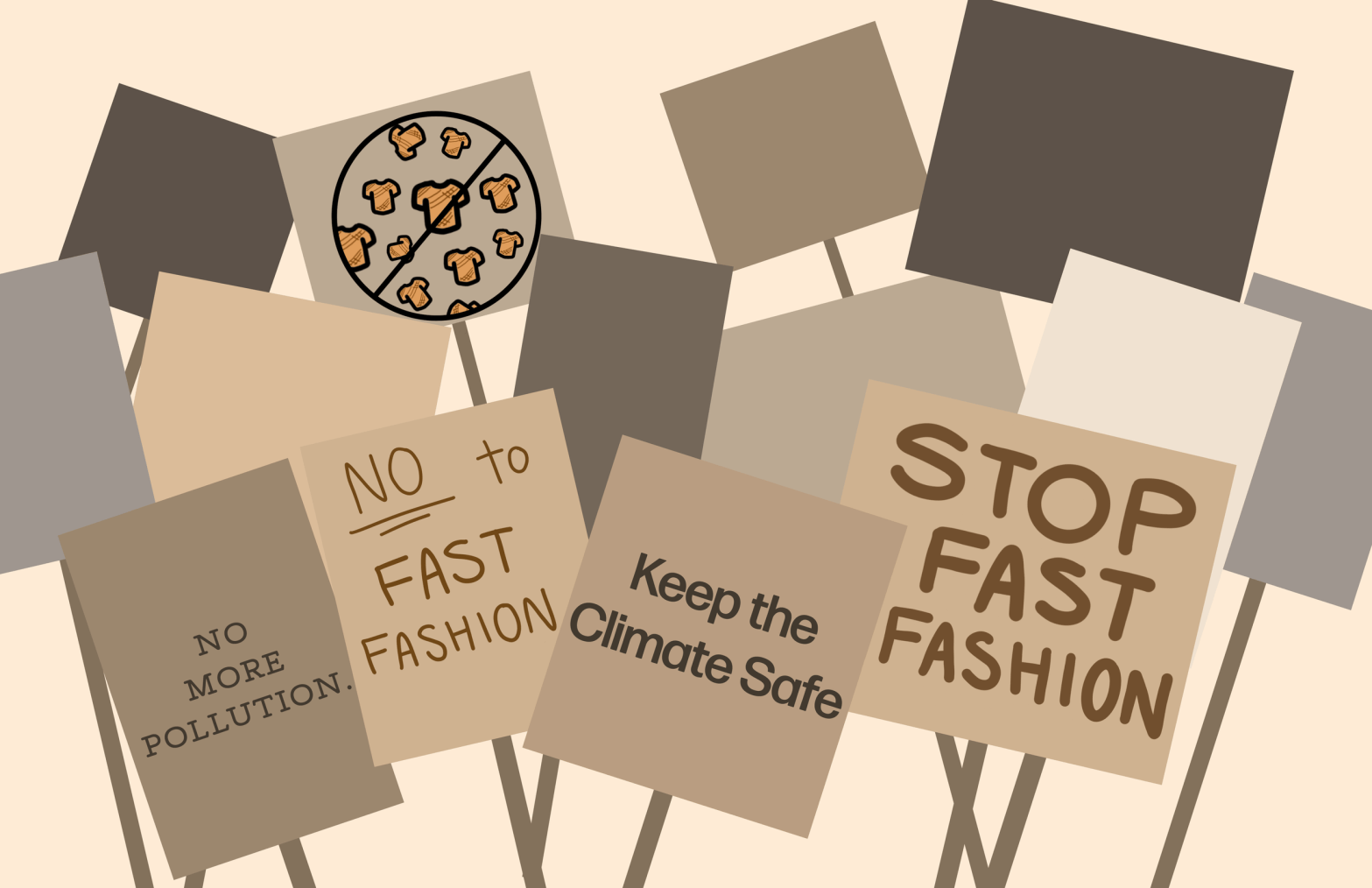
The global clothing retail industry generates approximately $1.34 trillion annually, rising to $2 trillion when footwear and jewelry are included. Fast fashion has transformed consumer behavior, leading to excessive purchases of low-quality clothing. Awareness of fast fashion brands and opting for second-hand, rental, or sustainable alternatives can mitigate environmental impacts.
How to Combat Fast Fashion: Tips for a Sustainable Wardrobe, blog #2
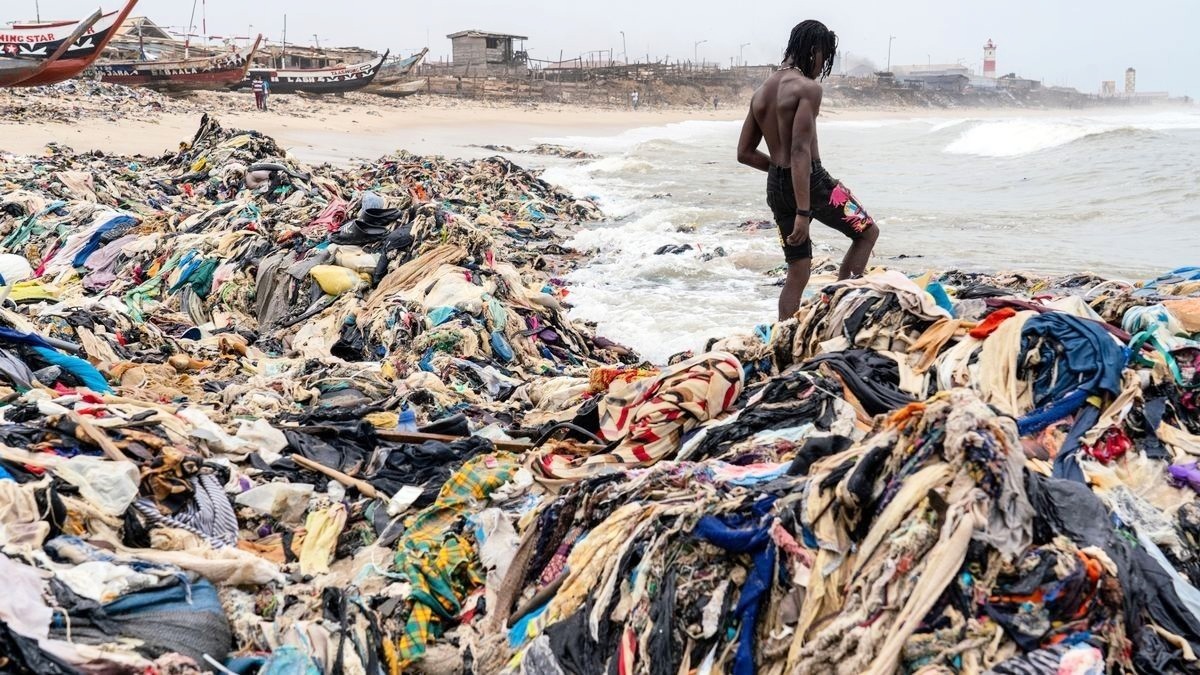
Fast Fashion rapidly produces inexpensive clothing to exploit current trends, relying on cheap labor and synthetic materials, which harms both health and the environment. A YouTube video reveals its impact. To combat its negative effects, consumers should reduce, repair, reuse, recycle, and invest in quality clothing for sustainability.
 urban HANDmades