Ask yourself this question: Is repurposing and recycling textiles (clothes, home furnishings, nonwovens) good for the environment? The answer is clearly a ‘Yes.” Not only are these actions impactful, but they are necessary for the future of our planet. Here are the reasons why changing our buying and wasteful habits is important:
The clothing industry is one of the largest industries in the world, and one of the most damaging to our environment due to its production processes. Water pollution, greenhouse gas emissions, chemical pollution, microplastics, textile waste in landfills, low textile recycling rates, and of course, the fast fashion business model all contribute to the degradation of the planet, environment, and the climate crisis.
This is what we can do to reduce harm to the environment
Use sustainable materials
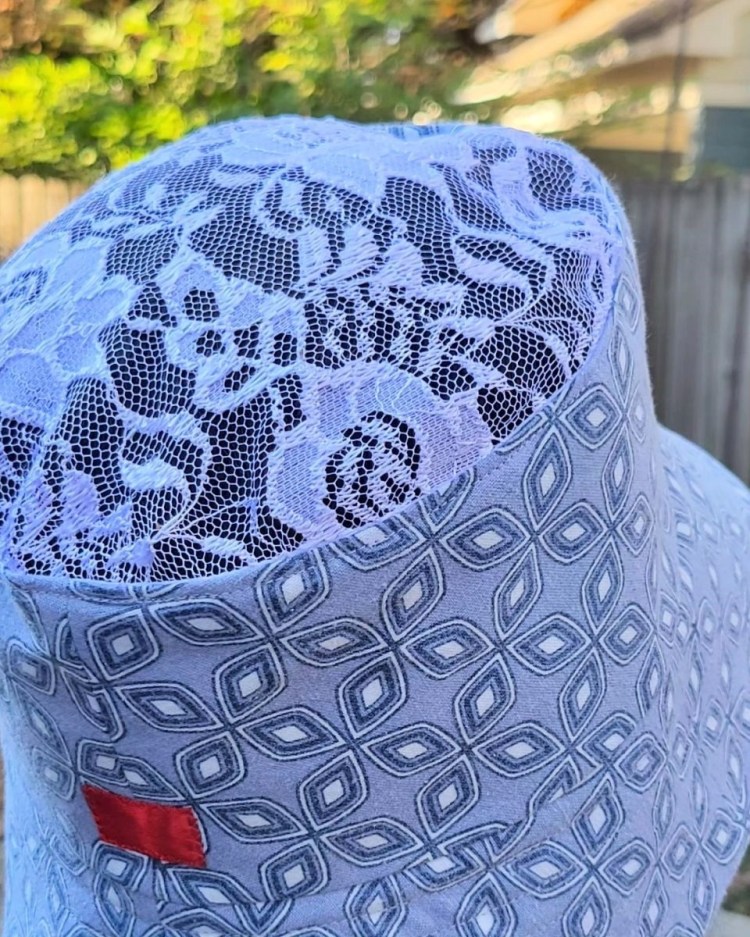
Bucket Hat
Repurposed from a hospital patient gown into a bucket hat, women’s shirt, and a bat dog Halloween costume.
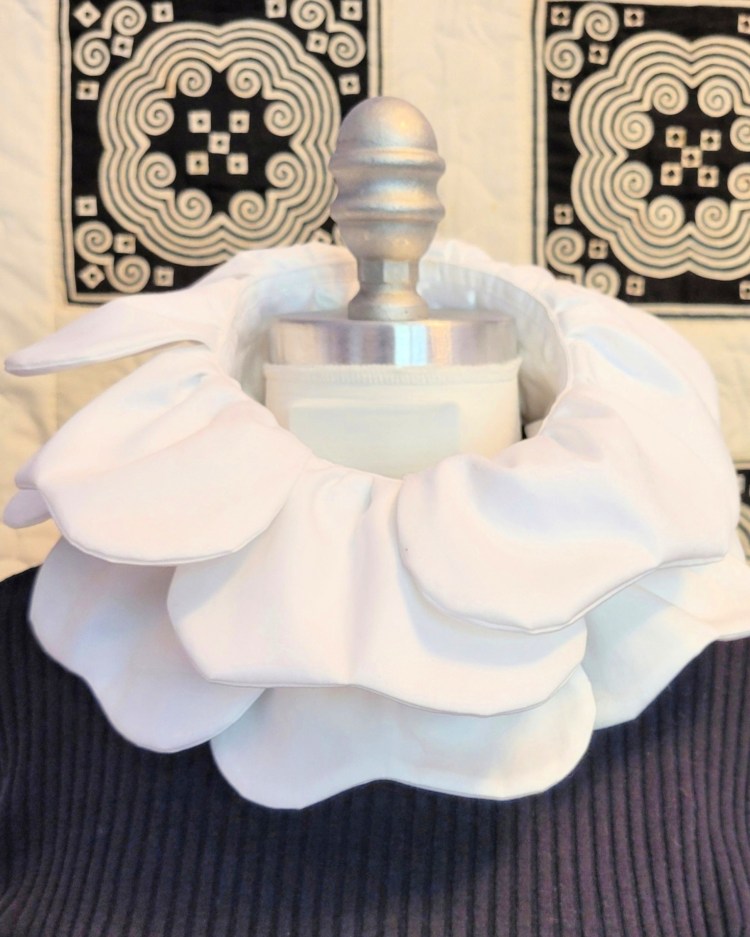
1920’s Petal Collar
Upcycled from a men’s 100% cotton white shirt to a vintage-inspired 1920’s petal collar.
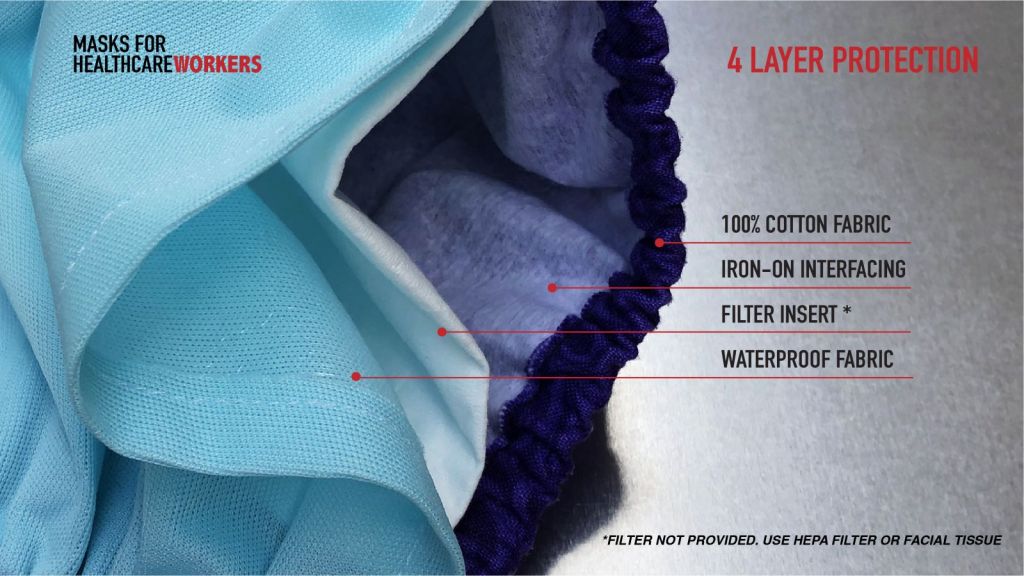
Masks for Healthcare Workers
Masks for healthcare workers during the COVID-19 pandemic, 2020.
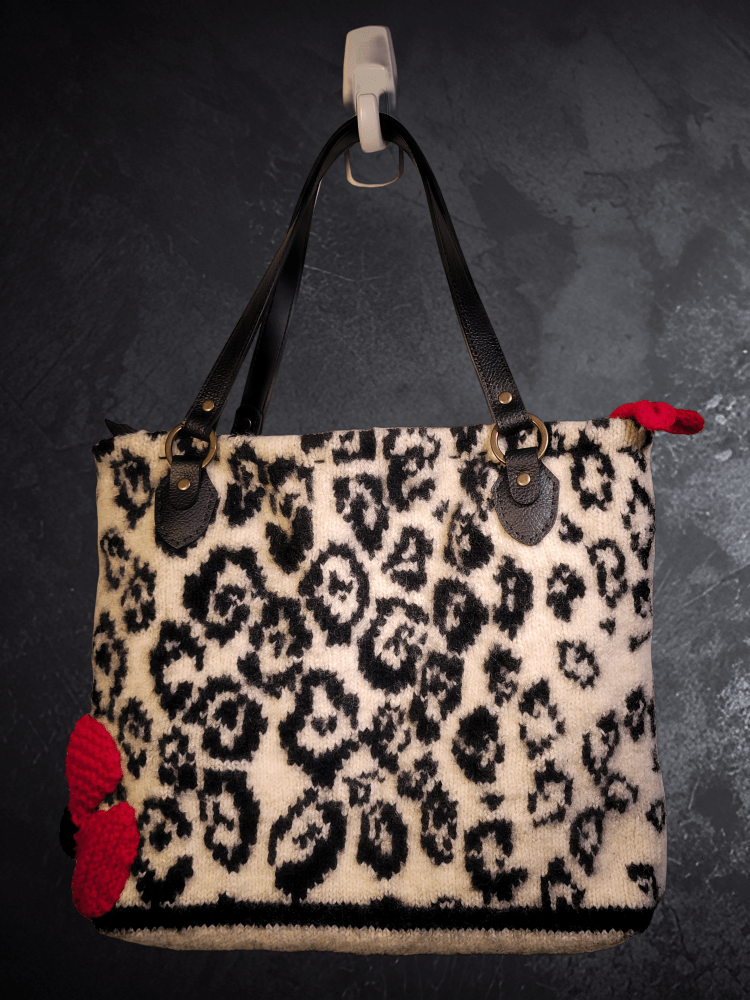
From Sweater to Bag

From Shirt to Bolsa (Pouch)
Climate change is happening, humans are causing it, and I think
bill nye
this is the most serious environmental issue facing us.
This is what you can do to reduce harm to the environment
- Use more sustainable fibers: buy more plant-based and animal-based clothing, shoes, and home furnishings, such as cotton, flax, hemp, wool, and alpaca. Limit your purchases of textiles with synthetic fibers. These fibers break down into tiny particles called microplastics during their first few washes. Microplastics then enter our oceans and clean water systems, which we use for cooking, drinking, and cleaning.
- Eliminate buying fast fashion items: most fast fashion clothing is made with synthetic or plastic fibers from crude oil. This makes them impossible to reuse in other ways, and they do not degrade or decompose. Polyethylene terephthalate (PET), commonly known as polyester, nylon, and acrylic are common plastic fibers. Other synthetic fibers include olefin, aramid, acetate, Spandex (Lycra/Elastane), and Rayon, which are semi-synthetic. Read the clothing labels before purchasing.
- Reduce textile waste by developing a sustainable circular economy in your homes and communities: move from a consumer-driven mindset to a revive, repurpose, reimagine philosophy. Bring items that can no longer be upcycled or reused to your local recycling center.
- Consume responsibly: be more thoughtful and purposeful in your buying choices. In the United States alone, close to 17 million tons of textile waste were generated in 2018, of which only 15% (2.5 tons) was recycled or reused. The rest (14.5 tons) was sent to landfills or incinerated, exacerbating greenhouse gas emissions, microplastics pollution, and chemical pollution. The trend of fast fashion as a consequential force in climate change in other global economies is no different.
Sources:
European Parliament Think Tank
 urban HANDmades