How the textile industry contributes to climate change
The textile industry is among the top polluters in the world. It contributes heavily to greenhouse gases, water and chemical pollution, textile waste landfills, and climate change. This is due to its high consumption of water and chemical use, and generation of significant textile waste. The fast fashion business model exacerbates the problem. Additionally, laundering leads to the leaching of synthetic (plastic) fibers into the oceans and clean water systems. (Frontiers in Environmental Science, 2022)
Rather than contributing to the eco-unfriendly fast fashion business model, use your creativity and ingenuity to upcycle, repurpose, reimagine, and revive your clothing and other textiles into items of higher value. In doing so, you are creating a circular economy within your own space and making a difference in your local and global communities.
Story of the 1920s Petal Collar
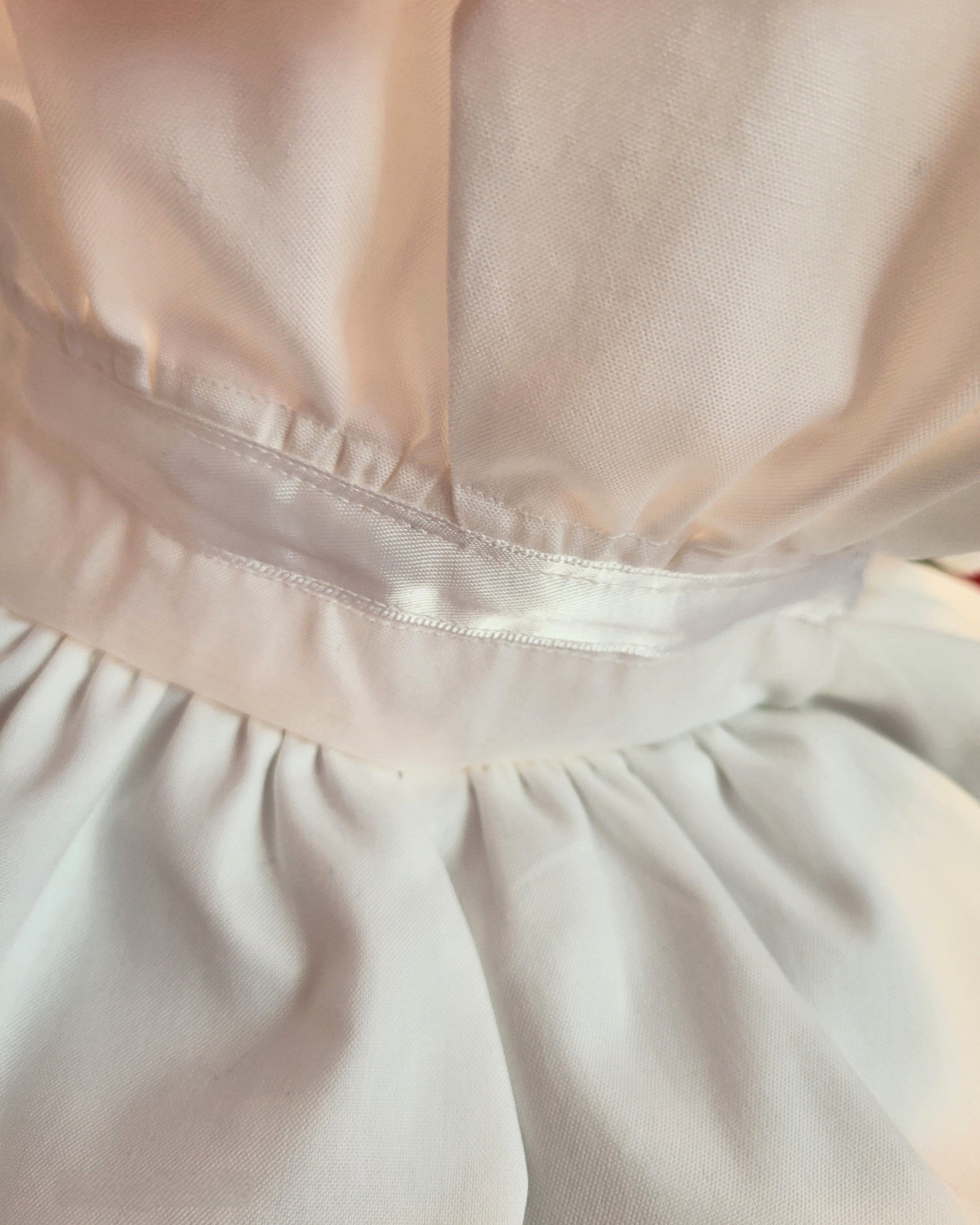
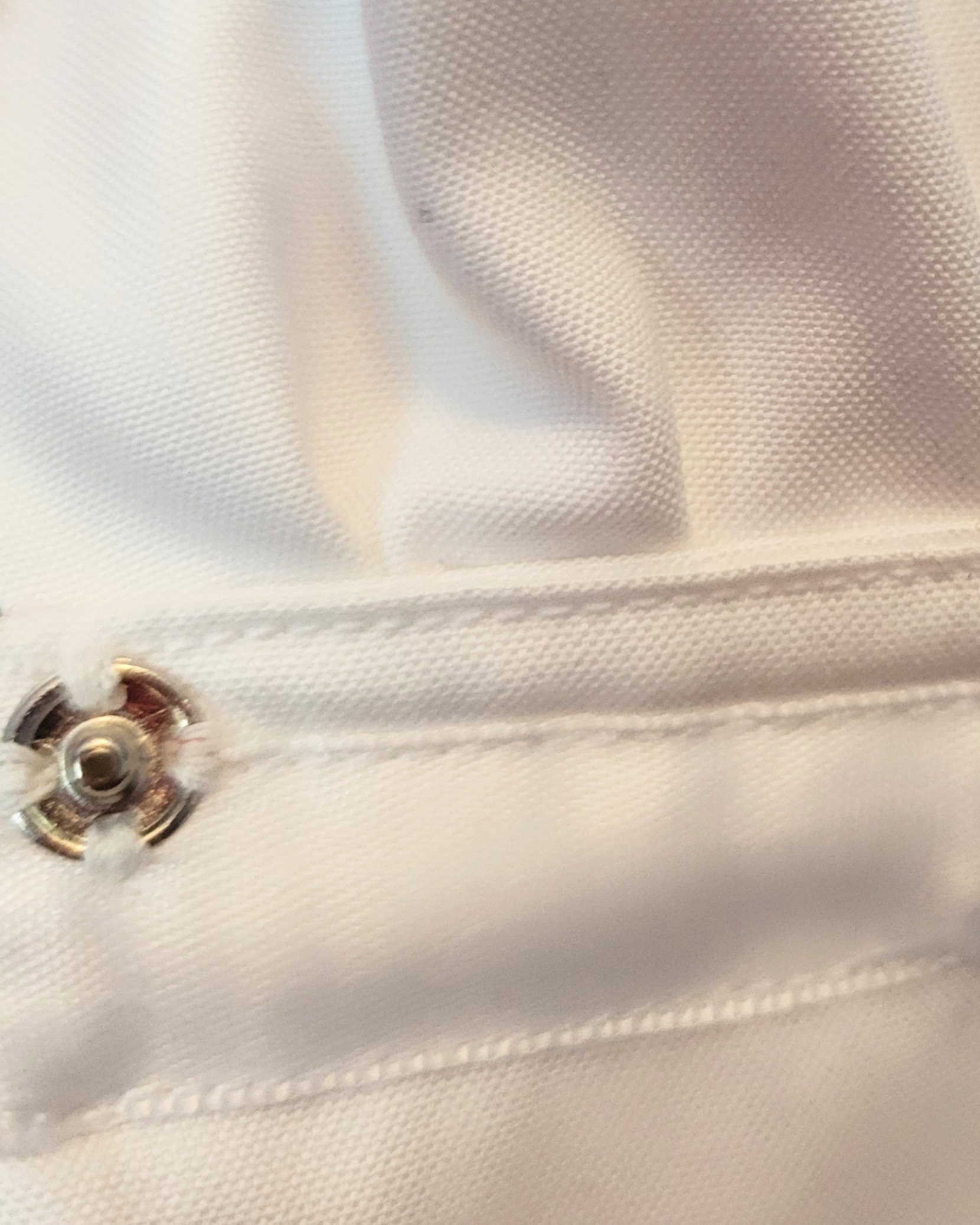
Nearly everyone has shirts they no longer want or wear. Rather than throw it out where it will most likely land in the textile waste landfill, upcycle it! This 1920s Petal Collar is repurposed from a men’s 100% cotton white shirt. For the most part, the shirting material was in excellent condition except for the collar band. The shirt is reimagined into a useful piece of higher value and reminiscent of the 1920s style. If upcycling or repurposing is not an option for you, recycle it or donate it to your recycling and charitable organizations. Recycling and donating are an integral part of the circular economy.


Make A Difference!
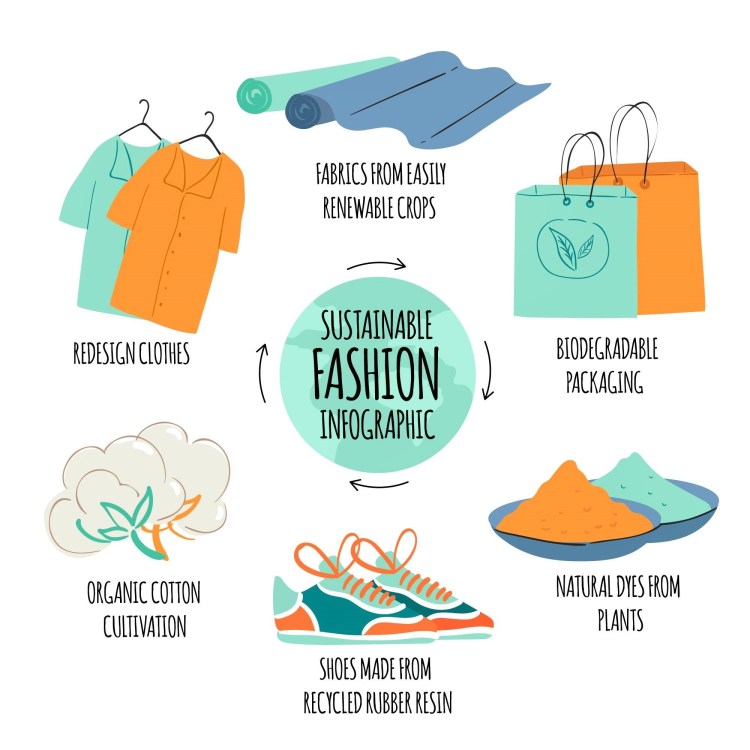
Here is how you can help with small consistent actions to combat the fast fashion business model. (Infographic from freepik)
 urban HANDmades