Disposable medical masks came on the market in the 1960s, and are widely used today. Before disposable medical masks were invented, reusable 100% cotton masks were used in operating rooms and during medical procedures requiring sterile fields and techniques. Just as important, masks help prevent the spread of infectious diseases. In 2020, the global supply chain and trade were disrupted because of the COVID-19 pandemic. This caused a severe shortage of PPE (personal protection equipment) in the healthcare sector.
Story of Masks for Healthcare Workers
At the start of the COVID-19 pandemic, the United States health care experienced a severe shortage of PPE, especially the N95 mask. Everyone, from patients, families, and healthcare professionals, were nervous about the scarcity of PPE and the real fear of contracting the coronavirus 2019 virus.
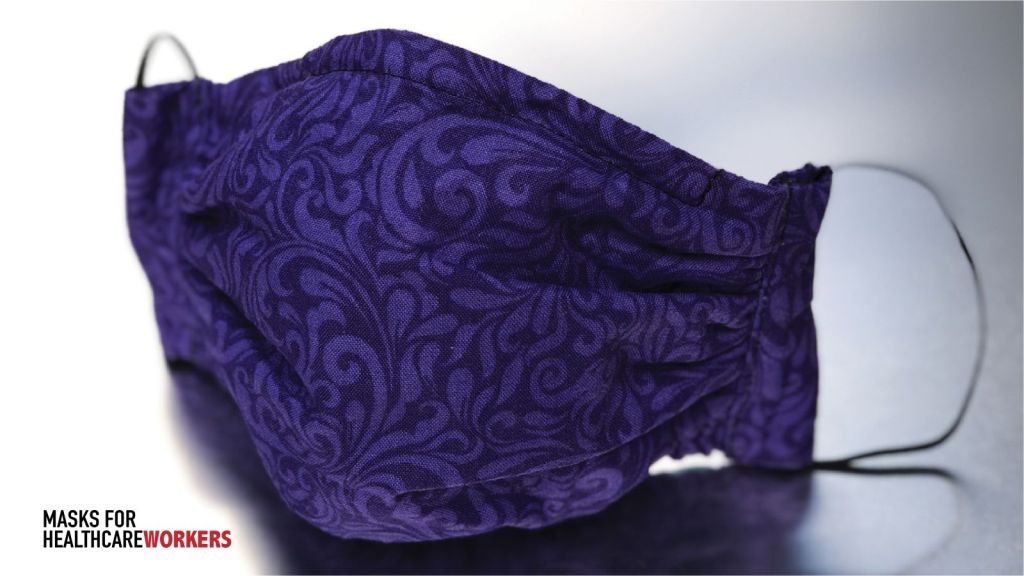
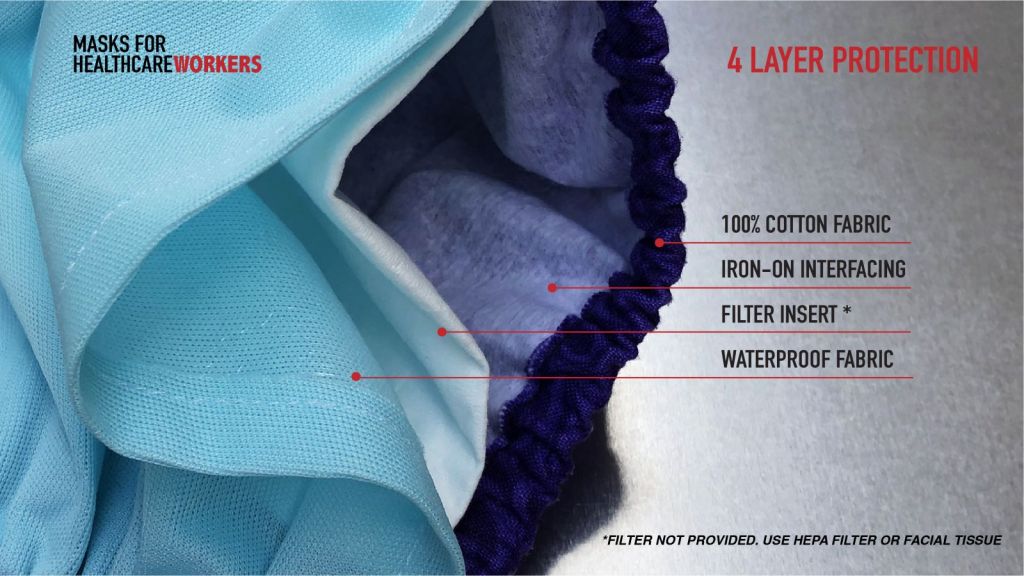
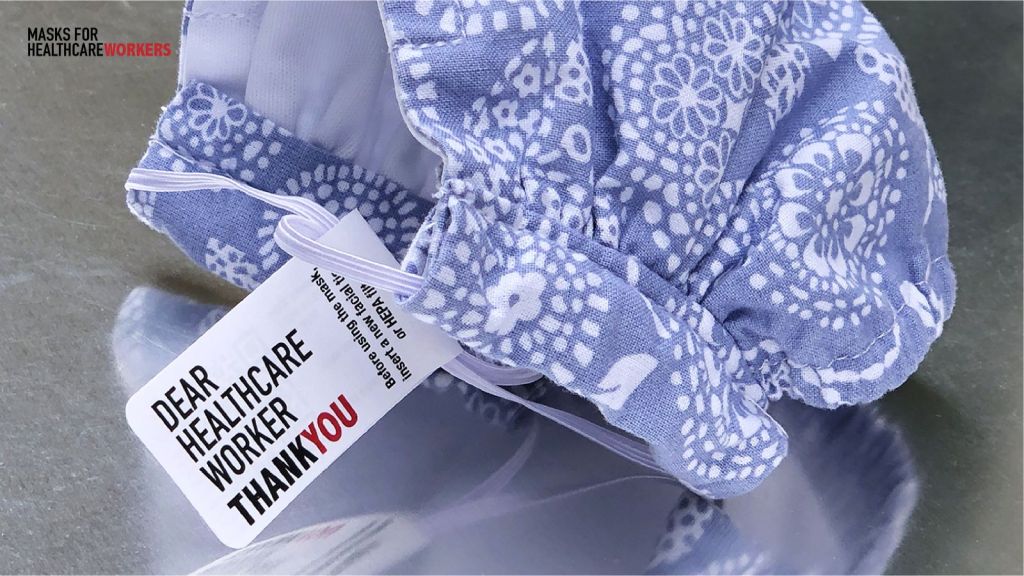
In light of the dire situation, we took the standard disposable medical mask and deconstructed it to assess the construction and type of materials used. We learned there are two outer layers of similar textiles and one middle breathable plastic/rubber layer; all 3 layers were non-woven materials. From there, we researched the various mask layers and searched for comparable substitutes. There were 3-4 iterations before the final prototype. Requirements for making the masks were high-quality fabrics, a breathable middle layer to block out large respiratory droplets, comfortable and well-made. Of course, they had to be of the highest quality. These masks were given to health professionals on the front lines caring for COVID-19 patients and their families.
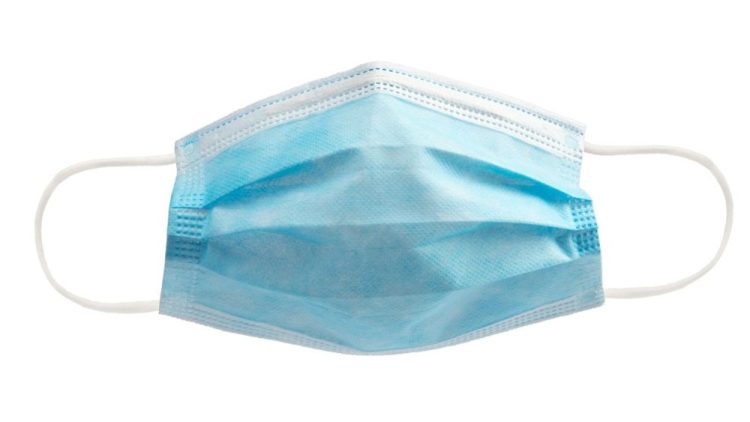
Disposable medical mask used as a
template for reusable 100% cotton masks

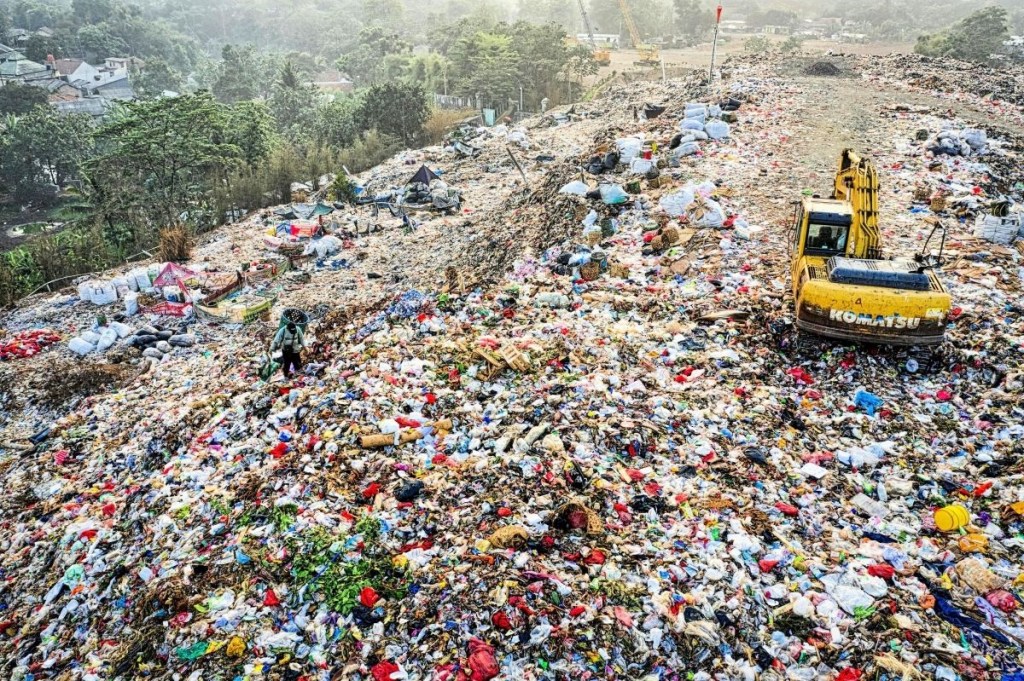
Where do single-use disposable masks end up? Landfills and waterways.
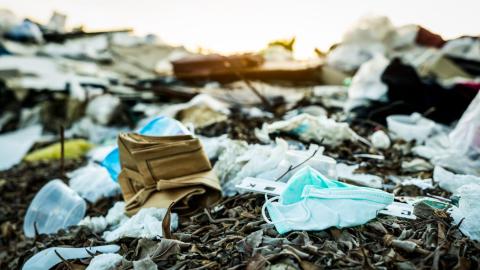
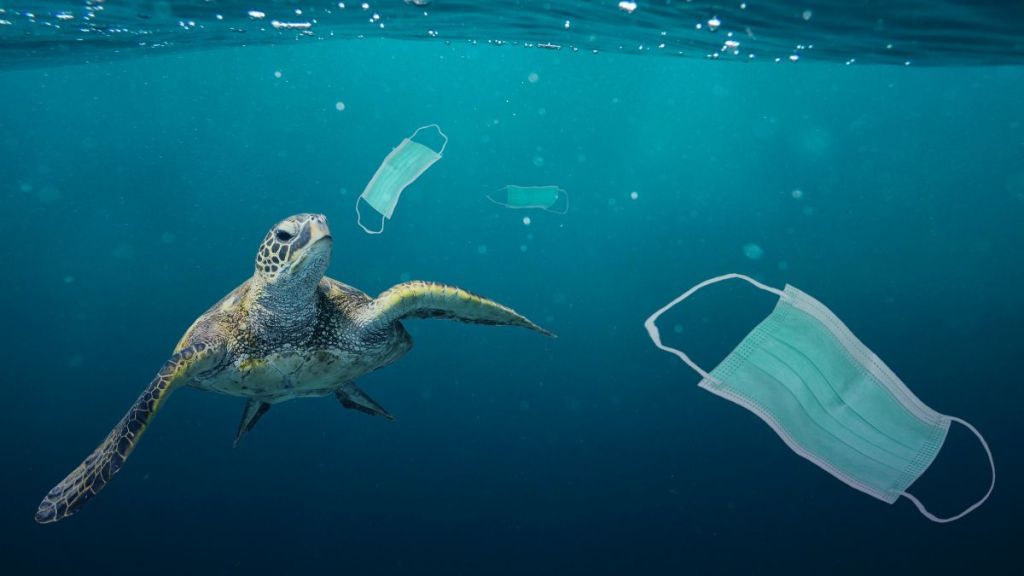
And this is what happens to marine life and wildlife when disposable masks end up in our oceans and landfills.

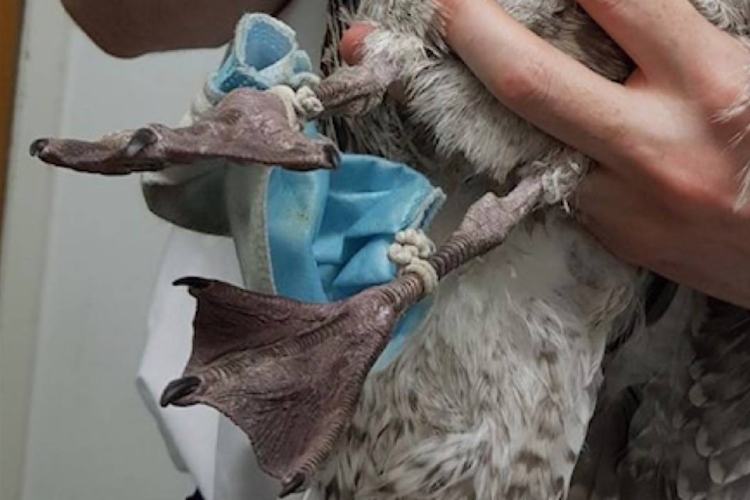
When discarding disposable masks…do this!
To protect wildlife and marine life, cut the ear elastic into small pieces before throwing it in the trash. Better yet, recycle the elastic and masks as textile waste at your local recycling center.
 urban HANDmades