
The author emphasizes the importance of sustainability and upcycling, highlighting the staggering textile waste problem and how it contributes to global warming. They share their experience of creating warm slippers from a thrifted wool sweater, promoting eco-friendly practices.
Tag Archives: environmental pollutants
Understanding Fast Fashion Labels, blog #15
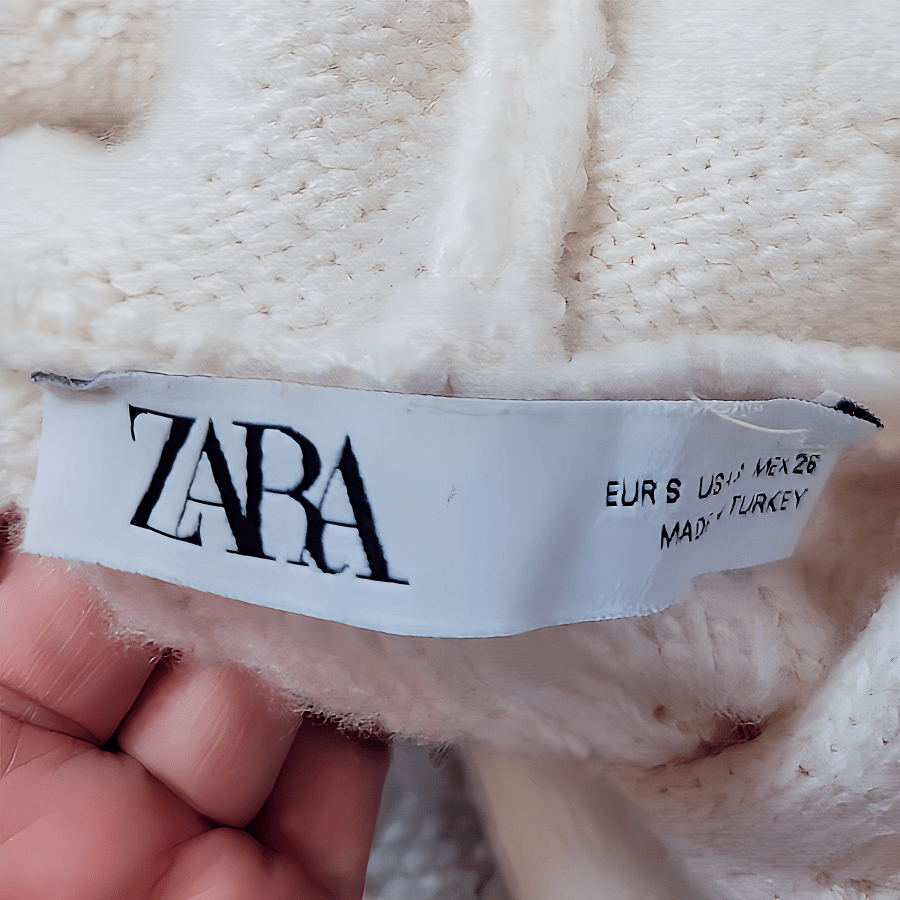
Fast fashion prioritizes profit, using mostly synthetic materials that is harmful to the environment. Most garments are non-biodegradable and contribute to ginormous textile landfill waste. Sustainable practices include upcycling and choosing eco-friendly clothing.
The Environmental Cost of Fast Fashion Explained, blog #14
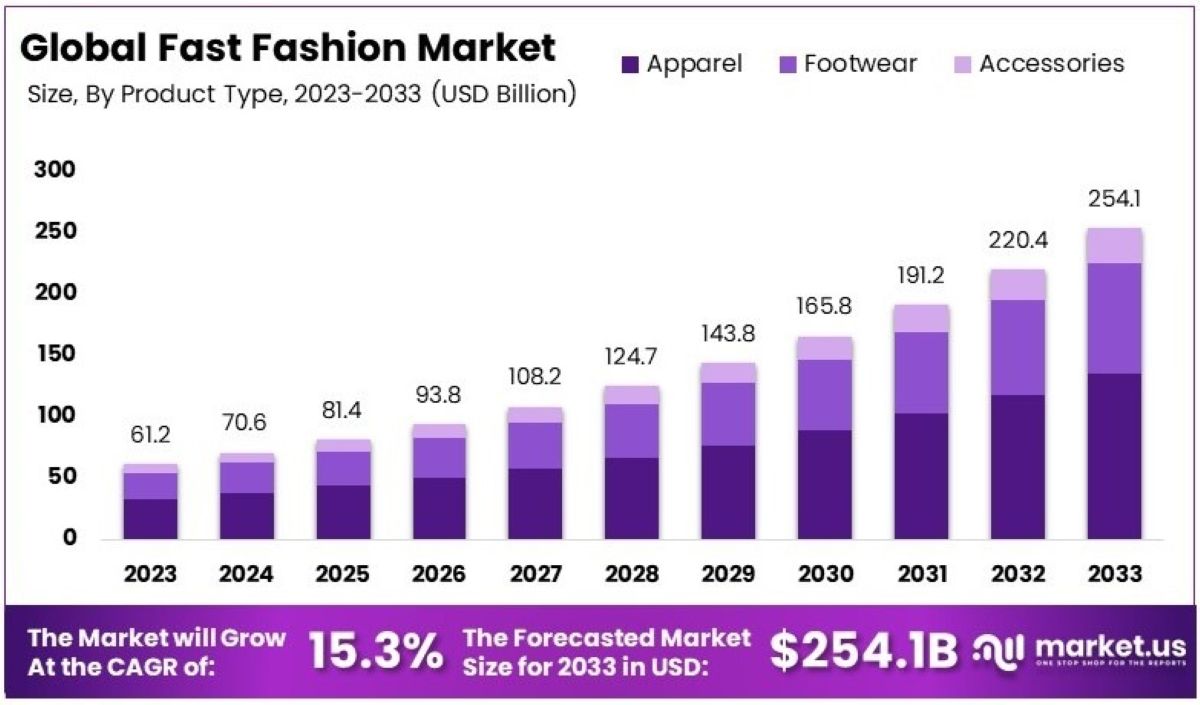
Fast fashion is a business model prioritizing low cost and quick sales, leading to significant textile waste and environmental harm. Fast fashion leads to overconsumption and pollution through synthetic/plastic materials and high landfill contributions.
How One Family Became Eco-Friendly: The Ramirez Story, blog #11

The Ramirez family decided to become more sustainable after a school visit inspired ten-year-old Maya. They implemented various upcycling methods, including repurposing furniture, composting, and using beeswax wraps, ultimately reducing waste and fostering community awareness about sustainability.
The Environmental Impact of Natural and Synthetic Fibers, blog #9

A backyard experiment reveals that natural fibers decompose within a year, while synthetic fibers like polyester and nylon last over 500 years, raising concerns about environmental sustainability.
9 Simple Habits for Sustainable Living, blog #6

Climate change affects everyone, prompting a shift towards environmentally sustainable habits. The author transitioned from disposable consumption to a circular economy, starting with recycling. We advocate for nine practices to promote sustainability, including using reusable bags and water bottles, buying used items, and reducing car use to lessen environmental impact.
Smart Shopping Tips to Avoid Fast Fashion, blog #4
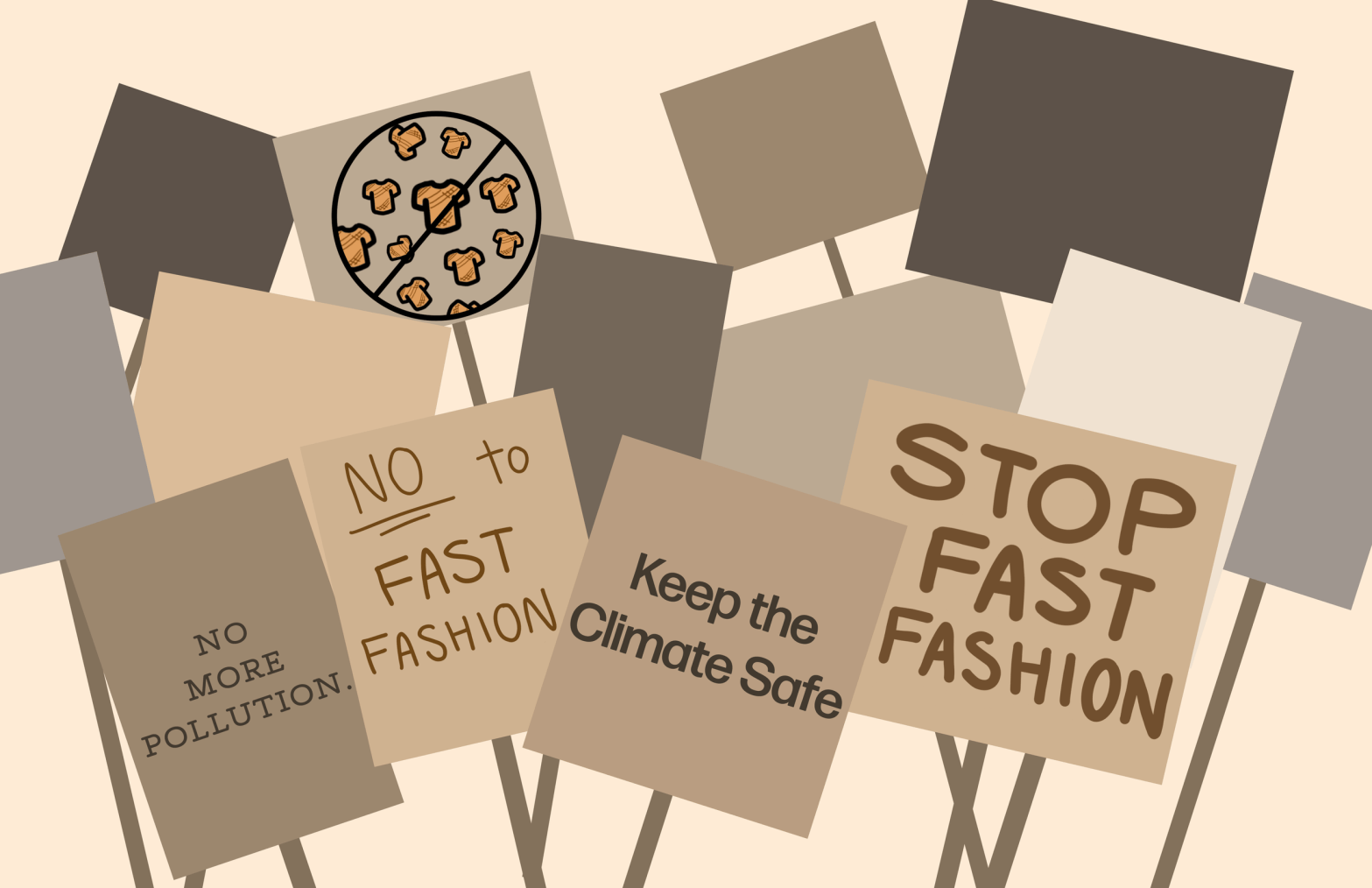
The global clothing retail industry generates approximately $1.34 trillion annually, rising to $2 trillion when footwear and jewelry are included. Fast fashion has transformed consumer behavior, leading to excessive purchases of low-quality clothing. Awareness of fast fashion brands and opting for second-hand, rental, or sustainable alternatives can mitigate environmental impacts.
How to Combat Fast Fashion: Tips for a Sustainable Wardrobe, blog #2
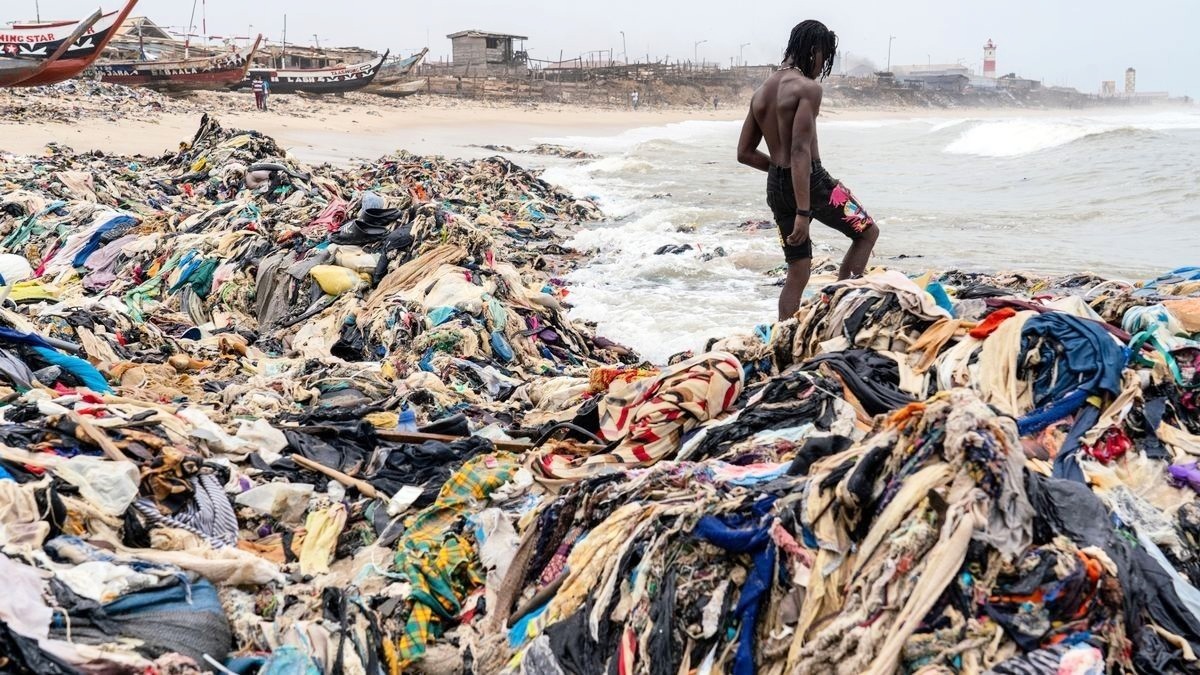
Fast Fashion rapidly produces inexpensive clothing to exploit current trends, relying on cheap labor and synthetic materials, which harms both health and the environment. A YouTube video reveals its impact. To combat its negative effects, consumers should reduce, repair, reuse, recycle, and invest in quality clothing for sustainability.
Turning Waste Into Action: CHaRMed Recycling, blog #1
This story is about Peggy Whitlow Ratcliff. She is the founder of Live Thrive. It was originally a pop-up hazardous waste collection event. The event grew into something much larger. From her initial need to dispose of harmful garden pesticides to the launch of the Center For Hard To Recycle Materials (CHaRMed), the nonprofit organizationContinue reading “Turning Waste Into Action: CHaRMed Recycling, blog #1”
 urban HANDmades