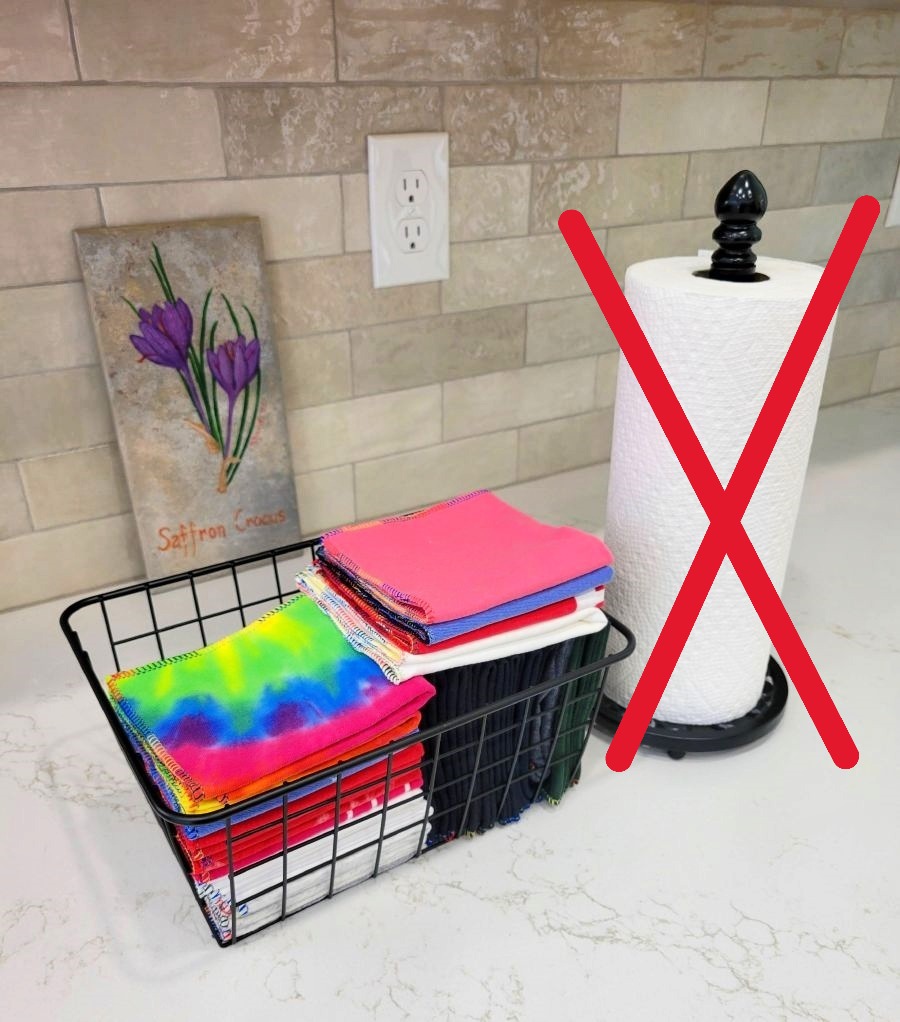
Producing paper towels involves tree harvesting, pulping, bleaching, and packaging, This process contributes to landfill waste and greenhouse gases. Switching to reusable cloth towels helps protect forests, reduce emissions, and promote sustainable habits for a healthier planet.
Tag Archives: individual responsiblity
Teaching Kids Sustainability: 3 Programs Making a Difference, blog #17
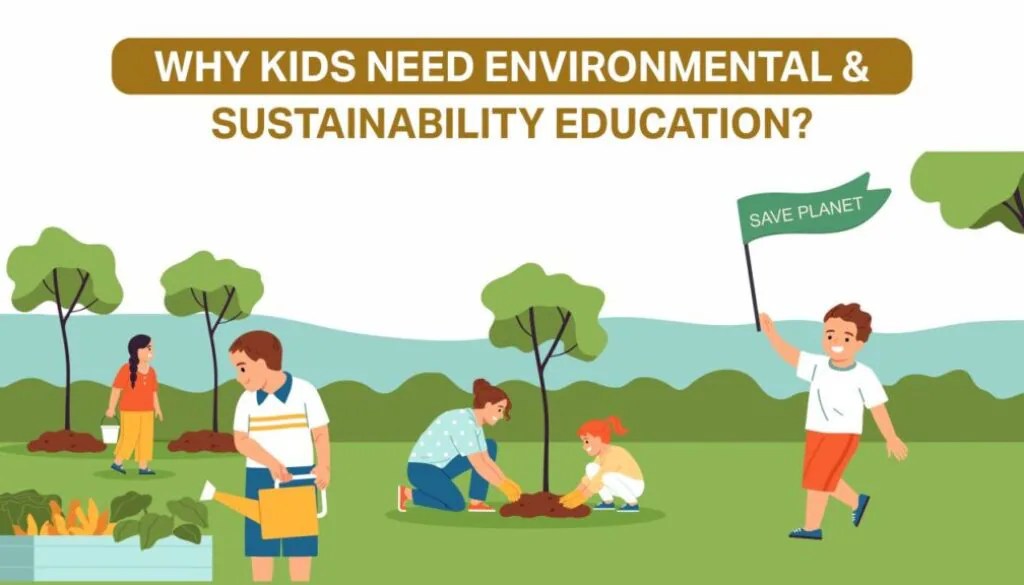
Teaching children about sustainability is important for their future and the planet. Early education on environmental stewardship fosters respect for the environment, promoting responsible choices and innovation to address climate challenges and promote health and wellness.
Upcycling Ideas: Transform Old Sweaters into Cozy Slippers, blog #16

The author emphasizes the importance of sustainability and upcycling, highlighting the staggering textile waste problem and how it contributes to global warming. They share their experience of creating warm slippers from a thrifted wool sweater, promoting eco-friendly practices.
The Environmental Cost of Fast Fashion Explained, blog #14

Fast fashion is a business model prioritizing low cost and quick sales, leading to significant textile waste and environmental harm. Fast fashion leads to overconsumption and pollution through synthetic/plastic materials and high landfill contributions.
Why Sustainability Matters: Protecting Our Planet Together, blog #12
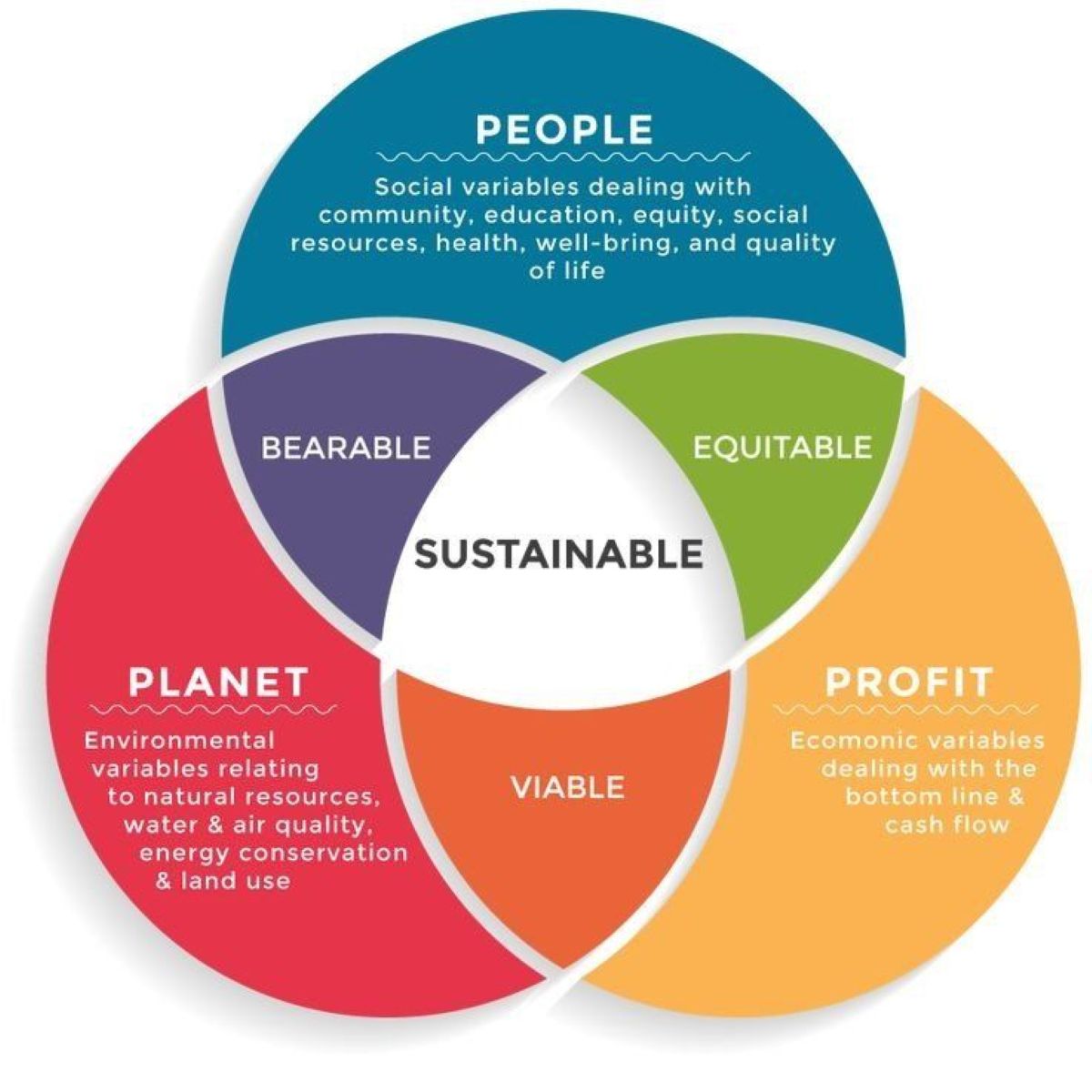
Sustainability involves using resources responsibly to meet present needs without hindering future generations. It requires balancing environmental, social, and economic factors to ensure health and stability. Sustainable practices are essential to combat climate change, protect ecosystems, and create equitable communities. The goal is a harmonious coexistence between humans and nature for lasting wellbeing.
How One Family Became Eco-Friendly: The Ramirez Story, blog #11
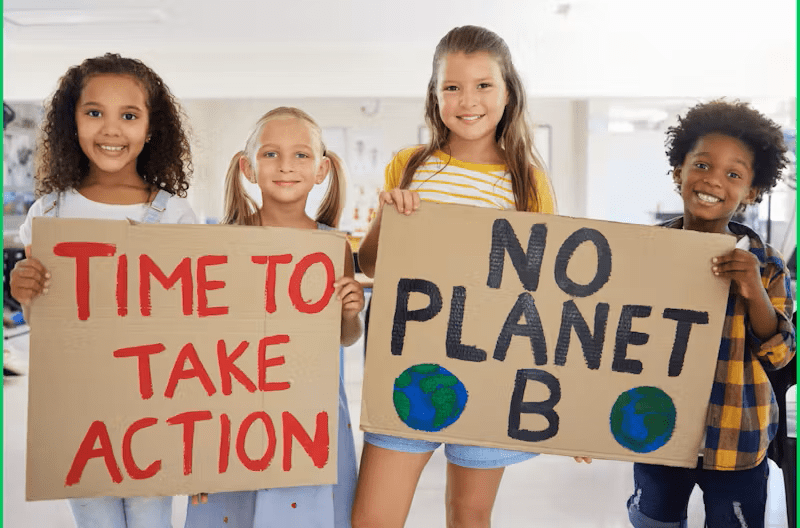
The Ramirez family decided to become more sustainable after a school visit inspired ten-year-old Maya. They implemented various upcycling methods, including repurposing furniture, composting, and using beeswax wraps, ultimately reducing waste and fostering community awareness about sustainability.
The Environmental Impact of Natural and Synthetic Fibers, blog #9

A backyard experiment reveals that natural fibers decompose within a year, while synthetic fibers like polyester and nylon last over 500 years, raising concerns about environmental sustainability.
Sustainable Living: From Denim Waste to Useful Home Items, blog #8
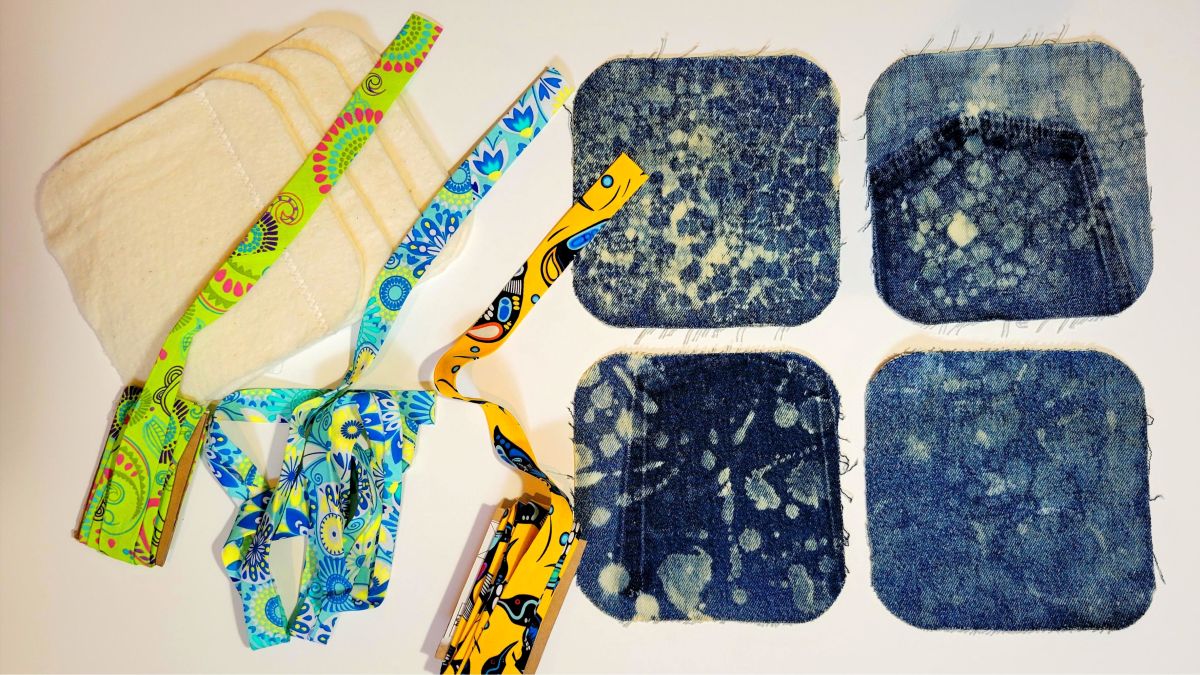
A vintage sewing machine search led to accepting old jeans, which were creatively repurposed into useful home items, promoting sustainability and a circular economy through upcycling textile waste.
Embrace the “Buyerarchy of Needs”, blog #7

The ‘Buyerarchy of Needs,’ coined by Sarah Lazarovic, emphasizes sustainable shopping alternatives to fast fashion. It promotes reducing consumerism, upcycling, and recycling to combat textile waste, which significantly contributes to environmental pollution. In 2018, the U.S. generated 17 million tons of textile waste, urging a shift in buying behaviors for planetary health.
9 Simple Habits for Sustainable Living, blog #6

Climate change affects everyone, prompting a shift towards environmentally sustainable habits. The author transitioned from disposable consumption to a circular economy, starting with recycling. We advocate for nine practices to promote sustainability, including using reusable bags and water bottles, buying used items, and reducing car use to lessen environmental impact.
 urban HANDmades